Common freight shipping mistakes include miscalculating shipment dimensions, using incorrect freight classes, or providing inaccurate bill of lading details. These errors can be avoided by double checking all weight measurements, using high quality packaging, and working with experienced logistics brokers to ensure proper NMFC classification.
Shipping across the Intermountain West presents a unique set of logistical challenges that can quickly erode a company's bottom line. For many Utah businesses, a single oversight in pallet dimensions or a minor documentation error on a Bill of Lading often results in hundreds of dollars in avoidable accessorial fees. These mistakes do more than just inflate your shipping invoice; they disrupt supply chain velocity and damage your reputation with downstream partners. Navigating the complexities of freight class and carrier regulations requires a disciplined approach to every shipment. In the following sections, we will identify the nine most frequent errors impacting local operations and provide practical strategies to mitigate them. From avoiding the reclassification trap to understanding the critical nuances of detention charges, this guide offers the expert insight necessary to transform your logistics from a liability into a competitive advantage.
The High Cost of Logistics Errors for Utah Small Businesses
For manufacturers and retailers across Box Elder County and the broader Utah region, freight expenses often represent one of the largest line items on the balance sheet. In the Intermountain West, where vast distances separate major hubs like Salt Lake City from regional distributors, logistical efficiency is a requirement for survival rather than a luxury. A single error, such as a miscalculated weight or an incorrect NMFC code, can trigger cascading fees that turn a profitable shipment into a net loss overnight.
Many national brokers offer generic advice that fails to account for the specific challenges of our regional geography. Moving freight through the mountains or coordinating deliveries to remote job sites requires more than just an automated platform. These common freight shipping mistakes often stem from a lack of oversight or a misunderstanding of how regional carriers operate. While a global firm might overlook the impact of a winter storm in a mountain pass or the nuances of a specific loading dock in Brigham City, businesses that leverage local logistics knowledge can proactively avoid these pitfalls. Reliable professional logistics services ensure that small businesses maintain their competitive edge by protecting their margins from avoidable administrative and operational errors.
Inaccurate Weight and Dimensions: The Reclassification Trap
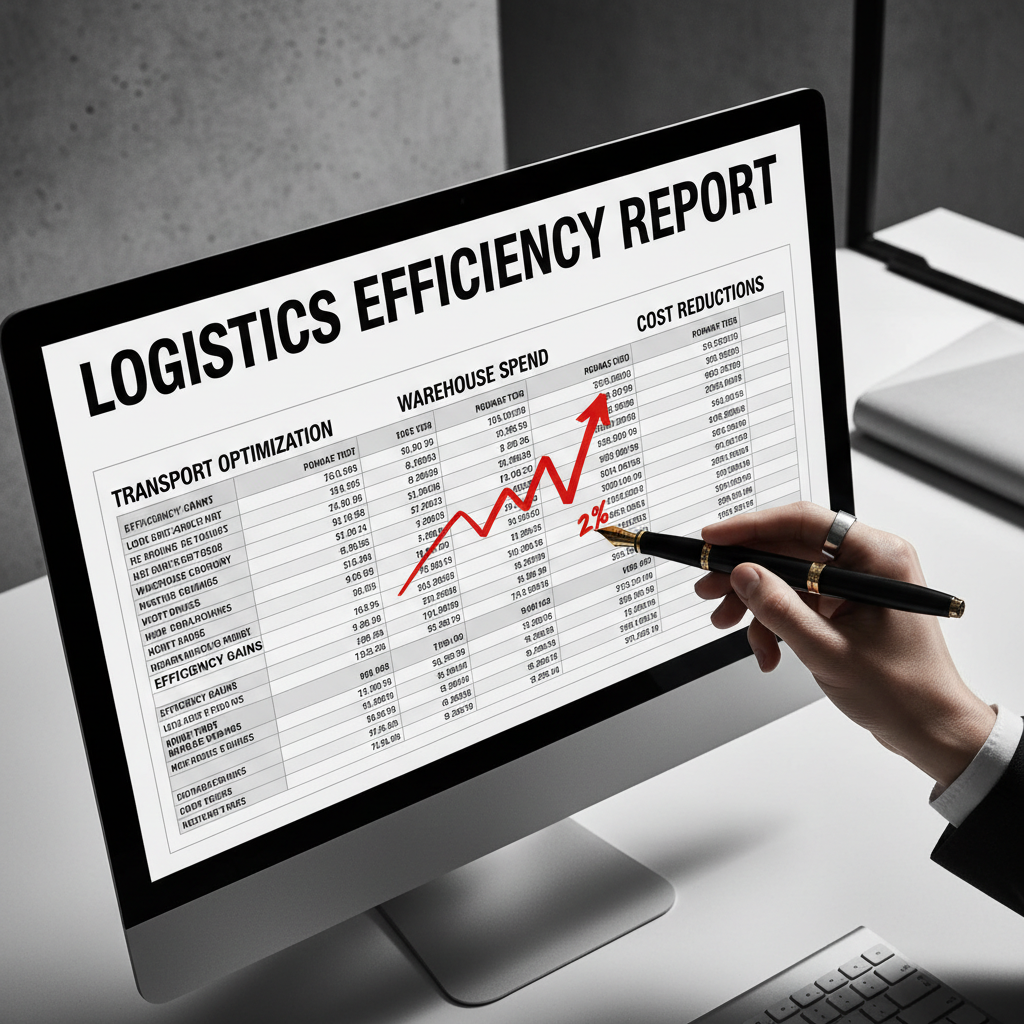
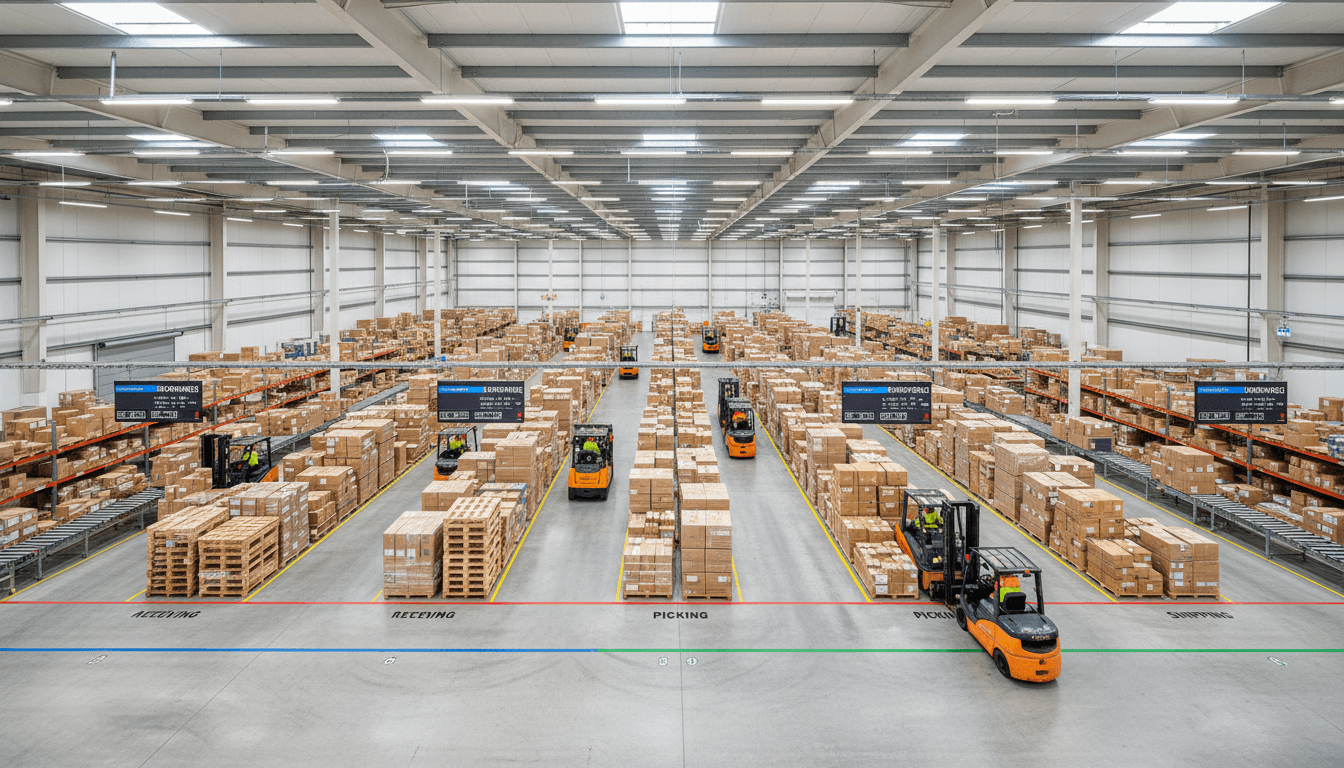
Building on the financial risks mentioned earlier, the most frequent of all freight shipping mistakes is the tendency to estimate or guess the physical profile of a shipment. In LTL (Less Than Truckload) shipping, every cubic inch and pound matters because carriers must maximize the capacity of their trailers across long Intermountain West routes. When a Bill of Lading (BOL) reflects an approximation rather than a verified measurement, carriers trigger a reweigh or a reclassification.
These adjustments are rarely inexpensive. In 2025 and 2026, regional and national carriers have increasingly deployed automated dimensioners. These systems use laser sensors and high speed cameras to capture the exact footprint and height of a pallet the moment it enters a terminal. If the automated reading differs from your documentation, the carrier will retroactively apply fees that often include a flat administrative penalty on top of the corrected freight rate. For a manufacturer in Box Elder County, a three inch discrepancy in height could move a shipment into a higher freight class, potentially doubling the cost of the move.
To maintain high standards for professional logistics services, Utah businesses must prioritize precision at the loading dock. You should use a calibrated industrial floor scale and ensure your team measures the total dimensions of the pallet, including the pallet wood and any cardboard overhang. Never provide the dimensions of the individual boxes alone. By applying local logistics knowledge to your warehouse processes, you can eliminate the reclassification trap and ensure that the price you are quoted is the price you actually pay.
Misunderstanding NMFC Codes and Freight Class
Precision in weight and measurement leads directly into the complexities of the National Motor Freight Classification (NMFC). For many Utah businesses, this is the most confusing aspect of the supply chain. If you are wondering if an NMFC code is required, the answer is yes for nearly every LTL shipment. Without it, a carrier cannot accurately assess the risk and space requirements of your cargo. Determining how to figure an NMFC code involves identifying your specific commodity within the NMFC database, which then dictates one of 18 distinct freight classes ranging from class 50 to 500.
These classes are determined by four critical factors: density, stowability, ease of handling, and liability. A class 50 shipment is usually dense, durable, and easy to handle, such as a pallet of steel fasteners or cast-iron engine blocks. In contrast, class 500 represents light, fragile, or extremely bulky items. For a construction firm in Northern Utah, shipping heavy machinery components often results in a lower, more economical class. However, if that same firm ships large rolls of specialized foam insulation or pre-assembled light fixtures, the density drops significantly, pushing the shipment into a much higher freight class because it occupies more trailer space relative to its weight.
One of the most expensive freight shipping mistakes is misclassifying these goods to save money upfront. When a carrier inspector identifies a discrepancy between the commodity listed and its actual NMFC definition, they will issue a reclassification. This results in retroactive billing at the higher rate, plus additional inspection fees that can exceed one hundred dollars per occurrence. By applying local logistics knowledge, businesses can ensure their documentation is defensible. Utilizing professional logistics services helps navigate these 18 classes, ensuring that you pay the correct rate the first time and avoid the administrative headache of disputed invoices after a project has already been billed.
The Bill of Lading Blunder: Documentation Errors that Stall Supply Chains

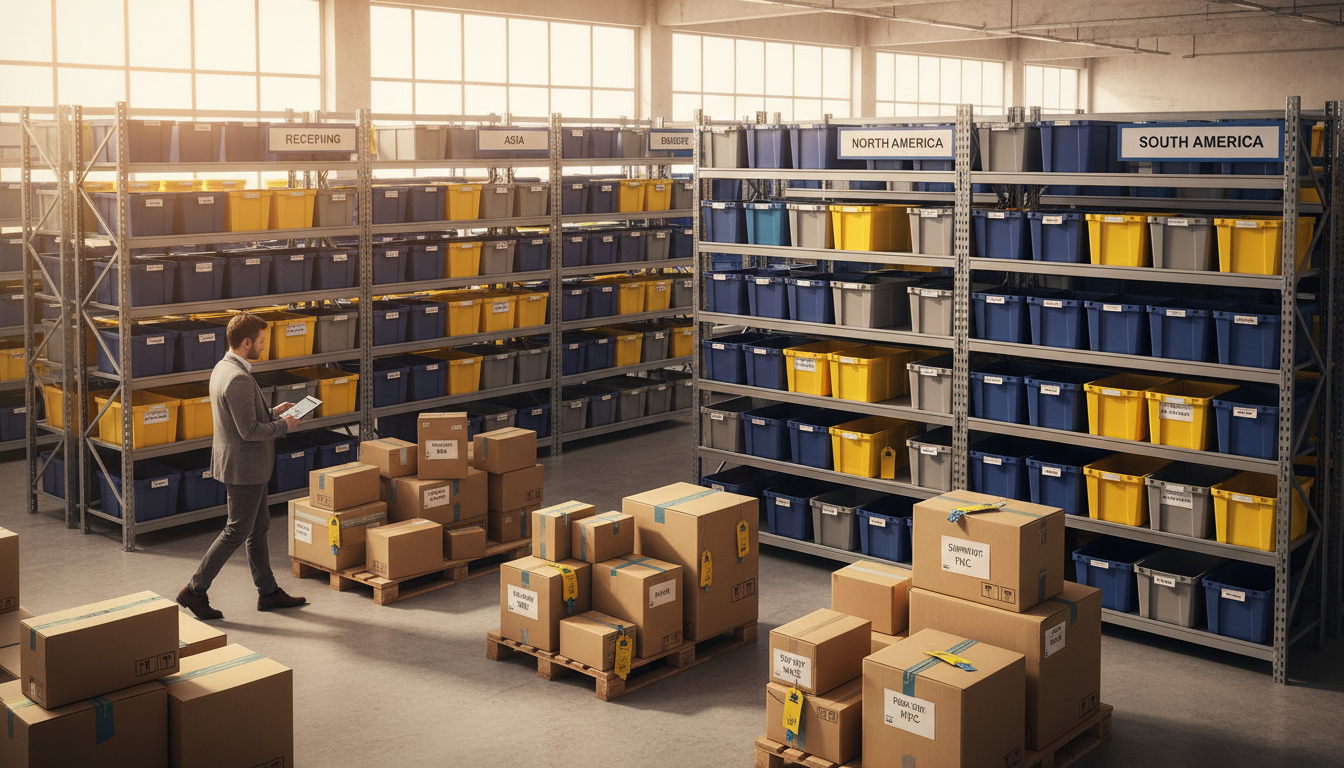
The Bill of Lading (BOL) serves as the primary legal contract and instruction set for the carrier. Documentation errors on this form are frequent freight shipping mistakes that lead to immediate operational bottlenecks. A single digit typo in a zip code can send a pallet destined for a Tremonton warehouse to a regional hub in a different state, resulting in costly redelivery fees and missed deadlines.
To ensure a smooth transit, verify the following details before the driver arrives: - Accurate shipment date and total pallet count. - Full legal names and verified physical addresses for both shipper and receiver. - Specific contact names and phone numbers for the receiving party.
Clear delivery instructions are especially vital for remote job sites or rural locations across Utah. Omissions regarding liftgate requirements or limited access at a construction site often result in detention charges, as drivers cannot unload and must wait for further authorization. Leveraging local logistics knowledge helps you anticipate these requirements before the truck leaves the dock. Through professional logistics services, businesses can standardize their BOL processes to prevent clerical oversights from disrupting the entire supply chain.
Poor Packaging and Palletizing in the Intermountain West

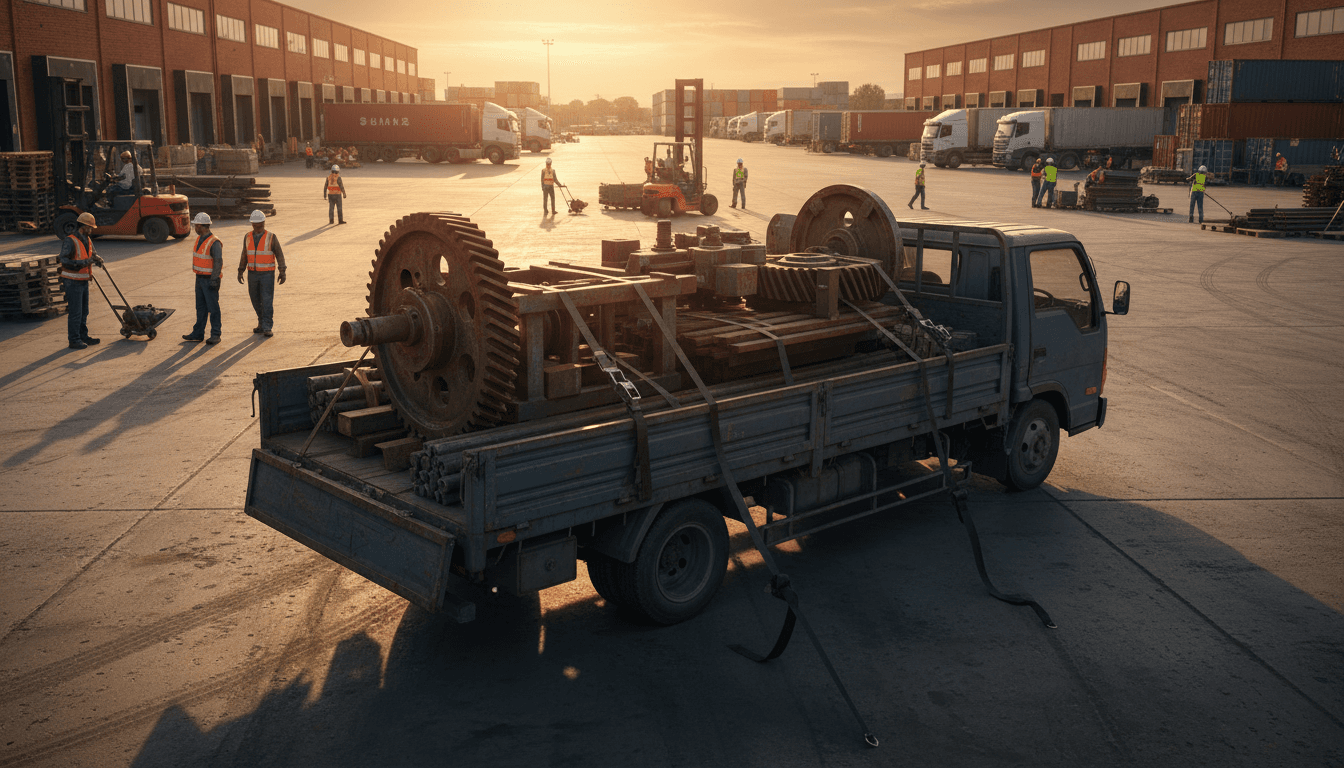
Even the most accurate documentation cannot protect cargo that is physically unprepared for the road. One of the most avoidable freight shipping mistakes is improper palletization, which leads to damaged goods and denied insurance claims. In the Intermountain West, shipments face unique physical stressors. Freight moving from Box Elder County through the Sardine Canyon or over the high passes of I-15 is subject to constant vibration, steep grades, and rapid shifts in humidity and temperature. These environmental factors can weaken cardboard and cause poorly secured loads to shift or collapse.
Stacking errors are a primary culprit for transit damage. Placing heavy, dense items on top of lighter, fragile boxes is a recipe for structural failure. To ensure stability, loaders should follow a pyramid-free, rectangular stacking pattern with the heaviest items at the base to maintain a low center of gravity. Utilizing local logistics knowledge helps businesses understand that standard shrink-wrapping is often insufficient for mountain transit. High-gauge wrap should be applied at least three times around the base and top to bond the shipment to the pallet.
To align with the standards of professional logistics services, use this freight-ready checklist:
Select high-quality, four-way entry pallets without broken stringers.
Align boxes in columns to maximize vertical compression strength.
Avoid "overhang" where boxes extend past the pallet edge.
Use edge protectors to prevent strap damage on heavy loads.
Apply tensioned shrink wrap that captures the pallet base securely.
Skipping Freight Insurance: A Dangerous Risk for Growing Businesses
While secure packaging mitigates physical risk, it cannot eliminate the financial exposure inherent in transit. One of the most dangerous freight shipping mistakes is conflating carrier liability with actual insurance. Most carriers limit their liability based on the weight and NMFC class of the shipment; this often results in coverage as low as fifty cents per pound.
Consider a growing electronics distributor in Northern Utah shipping a 200 pound pallet of specialized components valued at $10,000. If that shipment is damaged or lost, a carrier with a standard liability cap might only be legally required to pay $100. This leaves the business with a $9,900 loss that can stall operations. In contrast, third party freight insurance covers the full commercial invoice value. By leveraging local logistics knowledge, businesses can determine when to supplement standard coverage. For high value or fragile cargo, utilizing professional logistics services to secure all risk insurance ensures that your investment is protected against the unpredictable variables of long haul transport throughout the Intermountain West.
Understanding the Difference Between Demurrage and Detention Charges
While insurance protects against physical loss, administrative fees protect the carrier's time and equipment. One of the most common freight shipping mistakes involves confusing detention and demurrage, two distinct penalties that quickly erode profit margins. Detention occurs when a driver is delayed at your loading dock or a customer's warehouse beyond the allotted free time, which is typically two hours. If the driver is stuck waiting because a crew is unavailable, a dock is full, or the paperwork is not ready, the carrier bills for that lost productivity by the hour.
Demurrage is distinct because it applies to the cargo and equipment sitting at a fixed location rather than the driver's immediate time. This fee is triggered when a shipment remains at a port, rail ramp, or terminal beyond the allowed window. For Utah businesses utilizing the Salt Lake City rail ramps for intermodal shipments, failing to pick up a container within the storage period leads to daily demurrage charges that can exceed several hundred dollars per unit.
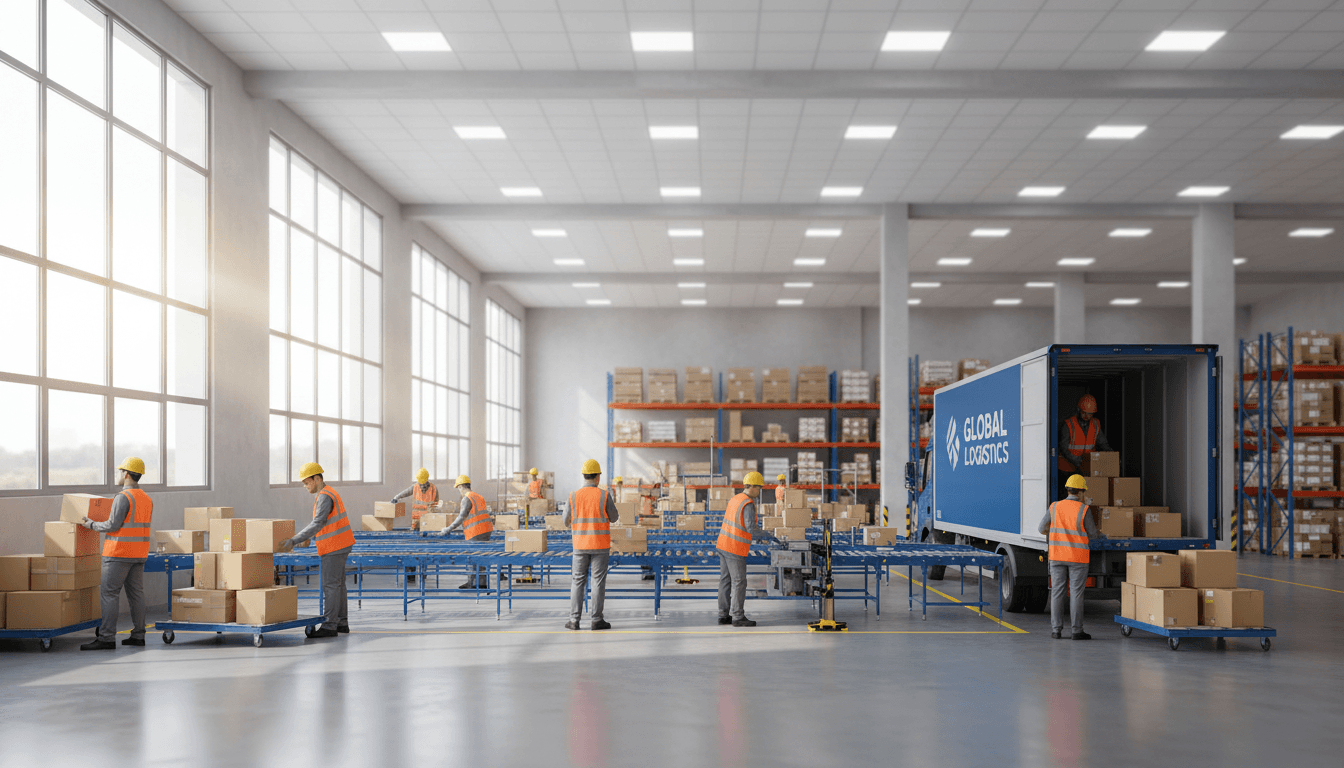
Avoiding these costs requires precise labor scheduling. Businesses should align their warehouse staff with specific arrival windows rather than estimated days. By applying local logistics knowledge, you can better anticipate transit times across the I-15 corridor and coordinate with carriers to ensure docks are ready the moment a truck arrives. Implementing professional logistics services helps manage these windows, ensuring that your team is prepared to load or unload immediately, thereby keeping the driver moving and your budget intact.
The Generic Broker Mistake: Why Local Expertise Wins
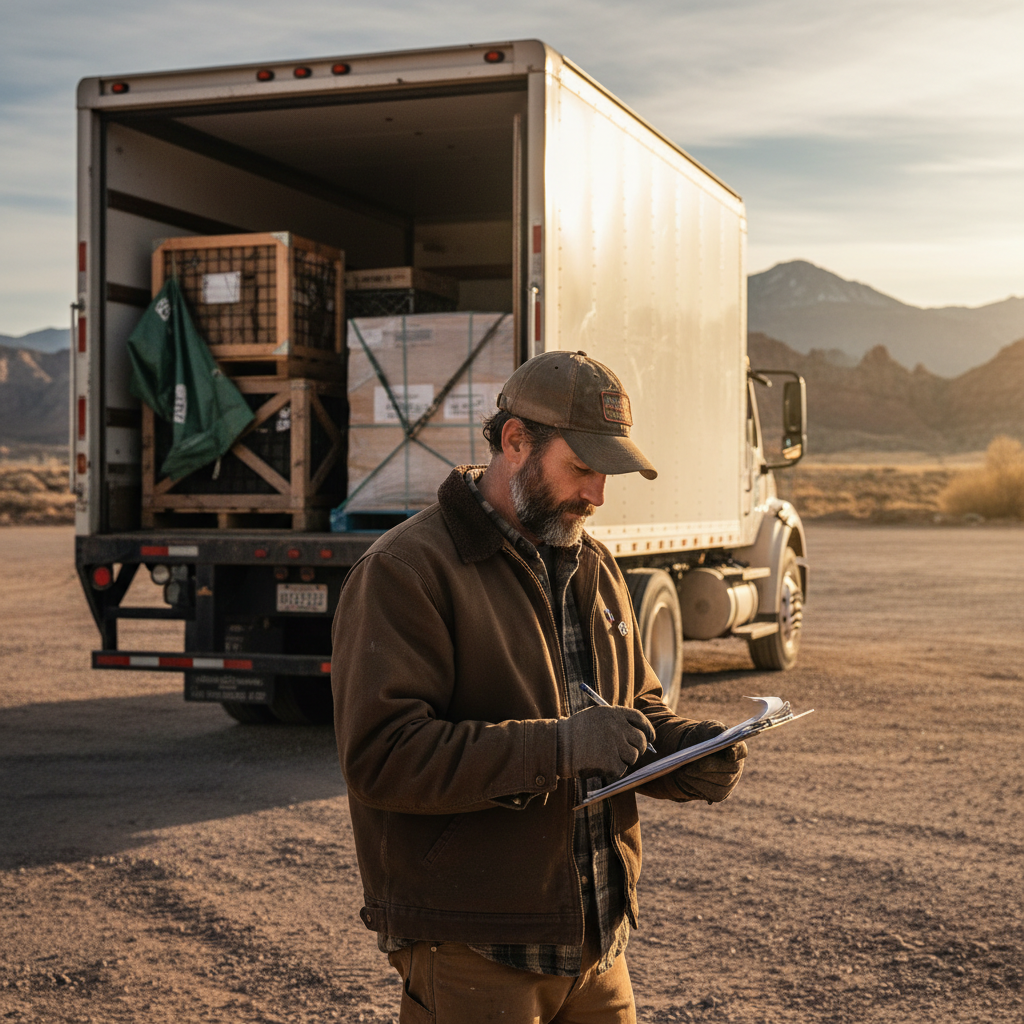
Beyond managing specific fees like detention, the overarching strategy of who manages your freight determines how many freight shipping mistakes your company will encounter. Many Utah businesses fall into the trap of treating logistics as a purely digital transaction on a national load board. While automated platforms offer the illusion of lower costs, they lack the regional nuance required to navigate the Intermountain West successfully. A broker in a distant state cannot account for how a sudden winter storm in the Sardine Canyon impacts a delivery window in Box Elder County, nor do they understand the specific traffic patterns along the I-15 corridor during peak construction seasons.
Relying on national boards often leaves you at the mercy of algorithms that do not know which regional distributors in Brigham City have strict receiving hours or which rural job sites require specific equipment to handle the terrain. Anders Logistics bridges this gap by offering professional logistics services rooted in local logistics knowledge. Instead of struggling with a call center that does not know the difference between Logan and Lehi, our clients benefit from a partner who understands the local geography and regional carrier networks. This local focus ensures that your freight is not just another line item, but a priority managed by experts who live and work in the same environment as your business.
Avoiding these common shipping pitfalls is essential for any Utah business looking to optimize its supply chain. While proactive management can prevent many errors, the logistics landscape often presents unique challenges. If you want expert help to streamline your operations and reduce costs, you can view our full range of services. We are happy to provide the support needed to keep your freight moving efficiently. Partnering with professionals ensures your logistics remain a strength rather than a source of stress.