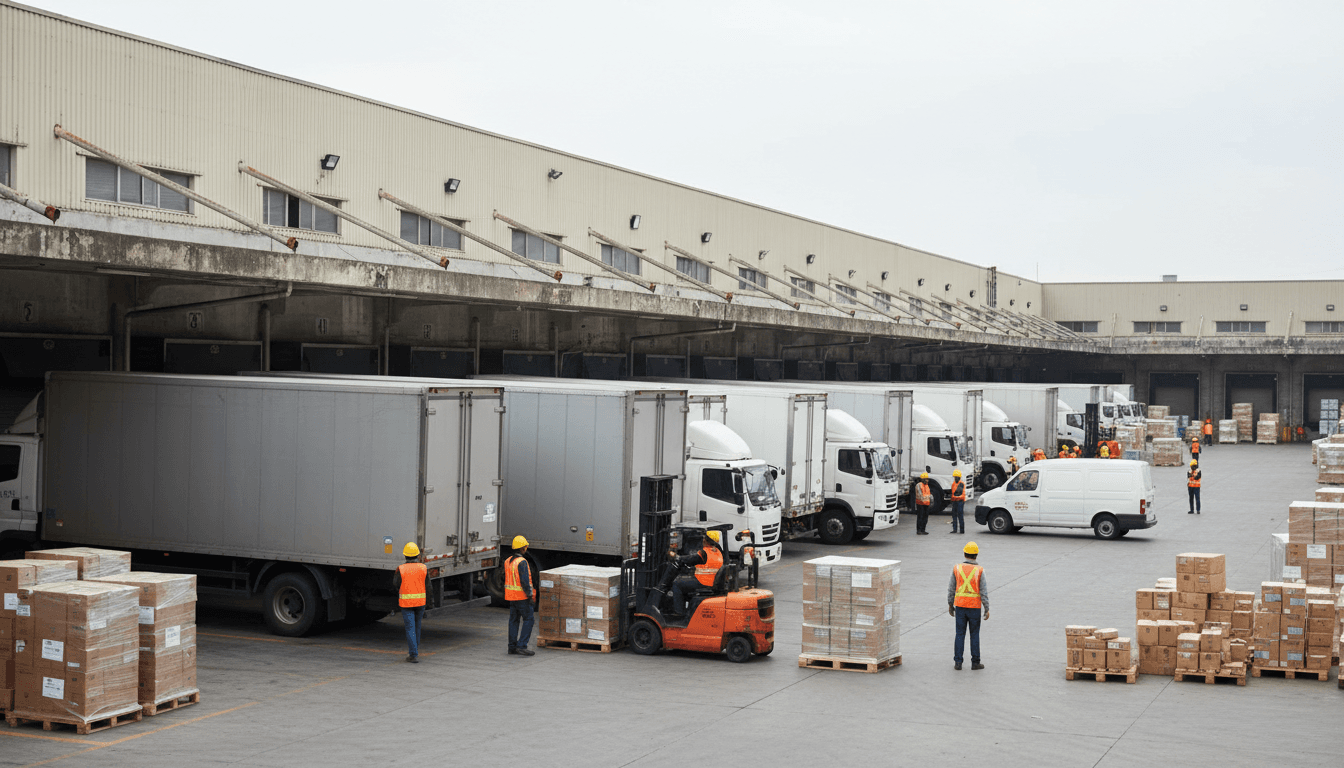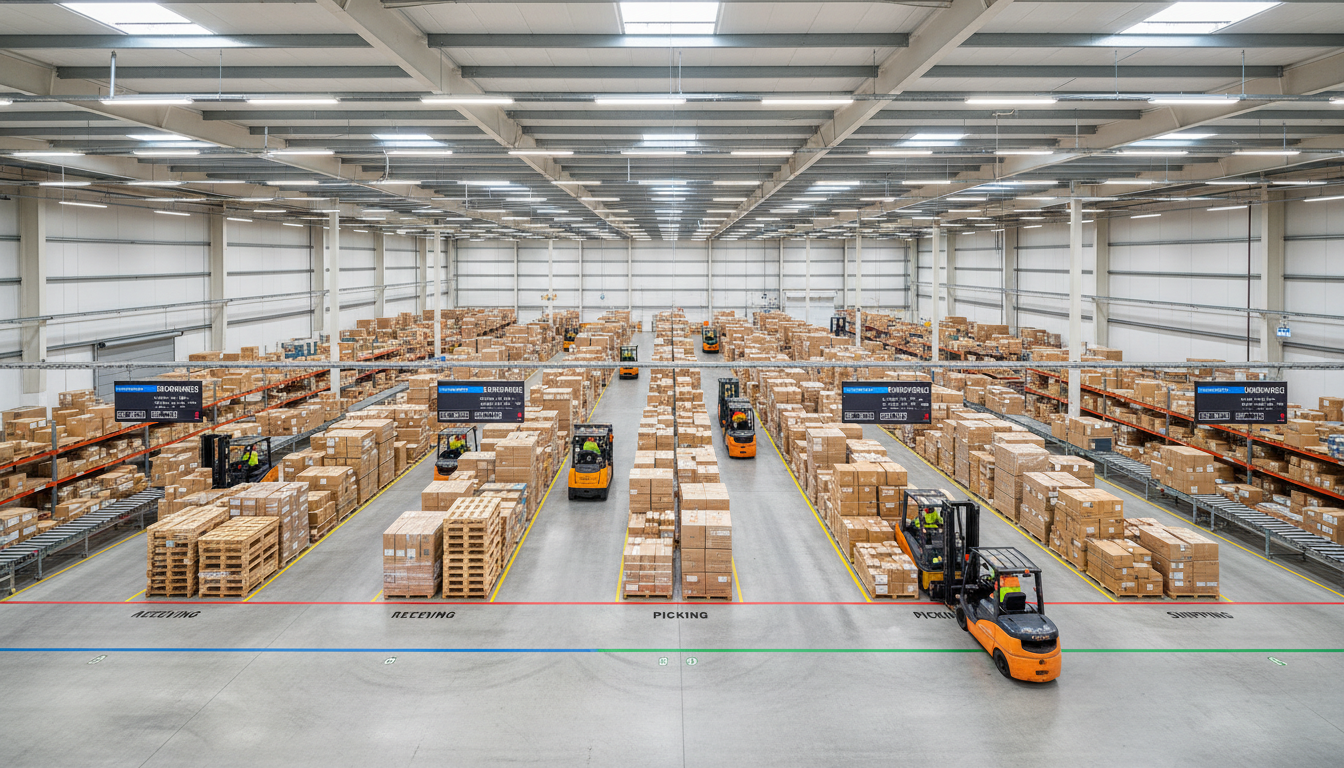
Effective seasonal freight planning Utah requires businesses to anticipate high-demand periods like the spring construction season and holiday retail surges while preparing for winter weather disruptions. By securing carrier capacity early and maintaining flexible logistics partnerships, companies can stabilize shipping costs and avoid the volatility of the spot market.
Managing freight in Utah is never a static challenge. Between the summer construction surge and the heavy winter snows along the Wasatch Front, shippers often find themselves caught in a cycle of capacity shortages and rising spot rates. These fluctuations are not just inconveniences; they directly impact your bottom line and project timelines. At Anders Logistics, we understand that navigating the Intermountain West requires more than just general industry knowledge. It requires a local playbook. In this guide, we will analyze the seasonal highs and lows of the Utah freight calendar, from the flatbed demand in the spring to the retail push in the fourth quarter. You will learn how to secure reliable capacity, mitigate weather related delays, and transition from reactive spot market bidding to a strategic, partnership based approach that ensures your cargo moves regardless of the season.
Understanding the Highs and Lows of Utah's Freight Calendar

Utah's freight market does not strictly follow national averages. While the rest of the country might focus on a singular Q4 retail surge, Utah businesses navigate a distinctive dual-peak demand cycle. This cycle is driven by the simultaneous pressure of a heavy construction season and a robust year-end retail environment. Providing professional logistics services in the Intermountain West requires a deep understanding of how these sectors compete for the same limited pool of regional drivers and equipment.
The first peak begins in early spring as construction projects break ground across the Wasatch Front. By mid-summer, the demand for flatbeds and heavy haulers reaches its limit. However, instead of a late-summer lull, Utah transitions directly into the retail and manufacturing push for the holidays. Effective seasonal freight planning Utah companies rely on must account for this lack of a breather in the calendar.
Local geography further complicates these capacity shifts. In the Box Elder County corridor, localized traffic patterns and industrial project milestones create specific bottlenecks that national carriers often overlook. The proximity of major distribution hubs along I-15 means that when capacity tightens, it tightens rapidly for everyone from Brigham City to Logan. Remaining competitive in this environment requires moving away from reactive shipping. To learn more about Anders Logistics and how we manage these regional fluctuations, businesses should evaluate their volume projections well before the spring thaw or the October rush. If you need to secure space before the next peak, contact our team to discuss a tailored logistics strategy.
Construction Season: Navigating the Flatbed Capacity Crunch
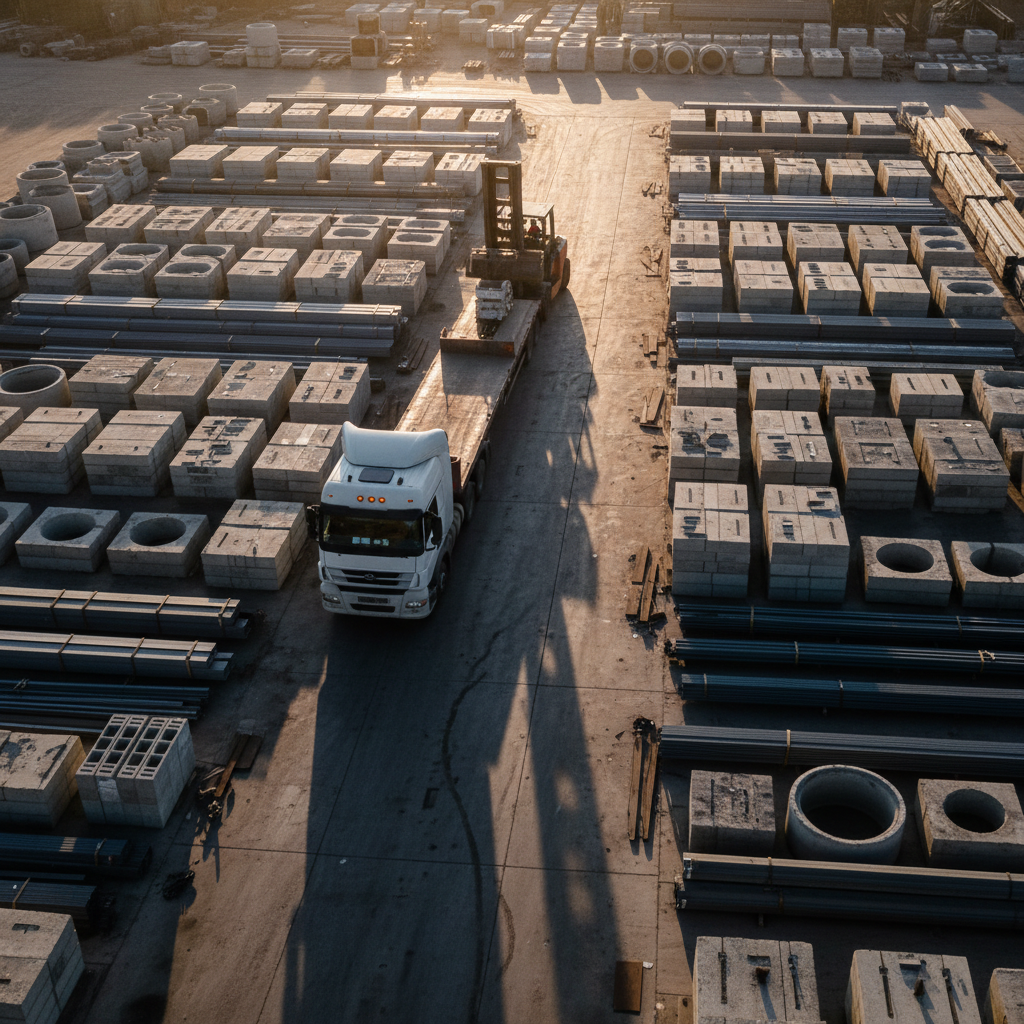
The construction surge in Utah typically begins in March, as soon as the ground thaws enough for site preparation. As projects ramp up across the state, the demand for flatbed trailers, step-decks, and RGNs (Removable Goosenecks) escalates rapidly. Unlike dry vans, flatbed equipment is specialized and inherently less flexible. When the peak hits in late summer, regional capacity often evaporates. Utah construction firms moving structural steel, dimensional lumber, and heavy earth-moving equipment often find themselves competing for a limited pool of carriers who are already booked weeks in advance.
Regional infrastructure projects significantly influence local availability. Major construction along the I-15 corridor and the I-80 junction creates localized bottlenecks that can delay turn times for drivers. When a driver spends an extra two hours in traffic through Salt Lake County or Davis County, they are less likely to accept a late-afternoon pick-up, further tightening the daily supply of available trucks. For firms operating in Box Elder County or the Cache Valley, these delays ripple outward, affecting the arrival of critical materials.
To maintain a project schedule, we recommend securing flatbed capacity at least four to six weeks in advance of major project milestones. Waiting for the spot market during June or July often leads to significant price premiums and the risk of materials sitting on the yard. Utilizing professional logistics services allows for better coordination between the job site and the carrier. Proactive communication regarding load dimensions and off-loading requirements is essential to prevent costly detention fees. For companies looking to refine their seasonal freight planning Utah strategy, contact our team to review upcoming project timelines. Understanding these cycles is a core part of what we do about Anders Logistics, ensuring that your materials arrive when the crew is ready to work, not days later.
Manufacturing and Distribution: Managing the Year End Push

Manufacturers located in the industrial parks along the Wasatch Front, from the Freeport Center in Clearfield to the business hubs of Salt Lake County, experience a distinct Q4 compression. As retail orders accelerate, these facilities must move finished goods at a pace that often outstrips their internal logistics capacity. This environment is where the bullwhip effect becomes a reality; a minor increase in retail demand can force a manufacturer to increase output and outbound shipping by a significant margin to avoid stockouts. This surge places immense strain on dock space and carrier availability throughout Northern Utah.
In Utah, Less Than Truckload (LTL) shipping serves as the primary vehicle for this year-end volume. However, late Q4 is also the window when many national carriers implement General Rate Increases (GRI). Navigating these costs requires seasonal freight planning Utah businesses can use to prioritize efficiency over last-minute reactions. Accurate freight classification and precise weight estimates are not merely administrative tasks during this peak; they are essential for avoiding re-weigh delays and unexpected accessorial charges that can derail a budget and stall a supply chain.
Clear manifests and detailed documentation ensure that LTL shipments move through regional hubs in Salt Lake City without being flagged for manual correction. When capacity is tight, carriers prioritize clean freight that will not disrupt their turnaround times. By working with a provider who understands the specific operational rhythms of Utah industrial sectors, businesses can secure reliable transit times even as national networks become congested. If you are preparing for the year-end surge, you can learn more about Anders Logistics and how we support regional distribution, or contact our team to review your shipping manifests and documentation for the upcoming peak.
The Winter Factor: Weather Proofing Your Intermountain West Supply Chain

While meteorologists attempt to forecast the severity of the coming season, the most important question for local businesses is how resilient their supply chain is regardless of the snow depth. Effective seasonal freight planning Utah companies rely on centers on preparation rather than prediction. In the Intermountain West, weather is not a single event but a series of localized challenges that require specific operational adjustments.
Utah’s topography creates unique transit risks. A clear day in Brigham City does not guarantee safe passage through Sardine Canyon toward Logan, nor does it reflect the conditions at the Point of the Mountain during a lake-effect snow cycle. Parleys Canyon on I-80 is particularly notorious for rapid weather shifts that can trigger immediate chain laws or full closures for high-profile vehicles. These high-elevation passes are subject to strict UDOT regulations that national dispatchers often fail to anticipate, leading to stalled loads and safety violations.
For shippers moving temperature-sensitive commodities like water-based coatings, specialized adhesives, or beverages, "protect from freeze" (PFF) services are a critical component of winter logistics. Securing heated trailers or thermal blankets must be done proactively. We recommend padding transit times by 24 to 48 hours whenever a winter storm warning is issued for the Wasatch Front. This buffer allows drivers to prioritize safety and wait out temporary road closures without creating a crisis at the receiving dock.
Working with a provider that possesses deep local knowledge is the best way to navigate these seasonal hurdles. A local partner understands the nuances of UDOT road closures and the specific wind restrictions often placed on trailers in Box Elder County. Utilizing professional logistics services ensures that your freight is managed by those who know these roads intimately. To learn more about Anders Logistics and our approach to cold-weather transit, contact our team to refine your winter shipping strategy.
Retail Peak Season: The Golden Quarter in Utah
The transition from weather proofing to the retail surge is immediate; the Golden Quarter represents the final high-stakes phase of the year. In Utah, the Mormon Corridor demographic presents unique logistics requirements. Larger average household sizes often translate to higher volumes for groceries, home goods, and children's products compared to other western regions. This demographic density requires a more aggressive inventory replenishment cycle to prevent stockouts during the height of the shopping season, especially as consumer spending peaks earlier in the month of December.
Relying solely on national parcel or LTL networks during this window often results in significant last mile delays. When major regional hubs in Salt Lake City reach capacity, local distribution support becomes the most effective way to control costs. Seasonal freight planning Utah businesses prioritize often involves staging inventory closer to the final destination to bypass national carrier congestion. By utilizing professional logistics services, retailers can move goods from distribution centers to storefronts without waiting on the overextended schedules of long-haul carriers. Understanding these regional consumption patterns is a core part of what we do about Anders Logistics. Ensuring that shelves remain stocked through the end of the year requires a strategy that treats the Wasatch Front as a localized ecosystem rather than just a stop on a national route. If your current shipping strategy is struggling to keep up with the Q4 rush, contact our team to coordinate your holiday replenishment.
How to Transition from Spot Market to Local Partnerships
Relying on national load boards during the height of the construction surge or the Q4 retail rush introduces significant volatility into a supply chain. When demand outstrips supply, national carriers often prioritize the highest paying routes, leaving local loads sitting on the dock in favor of more lucrative transcontinental hauls. This reactive approach to seasonal freight planning Utah businesses often employ results in unpredictable costs and inconsistent service levels.
Transitioning to a local partnership moves your operations from a transactional model to a strategic one. A local provider understands the specific nuances of the I-15 corridor and the freight patterns unique to Box Elder County. During peak seasons, these relationships provide a layer of accountability that automated load boards cannot match. Instead of being subject to the price gouging typically seen on the spot market, businesses benefit from stable, fair pricing based on regional reality rather than national hysteria.
At Anders Logistics, we leverage deep regional knowledge to ensure your freight moves even when capacity is tightest. Our professional logistics services focus on consistent execution, ensuring that our clients are not sidelined by seasonal spikes. To learn more about Anders Logistics and how we stabilize regional supply chains, contact our team to discuss moving away from the spot market and toward a reliable, partnership-based approach.
Projected Freight Rates and Trends for 2026
Looking ahead to 2026, freight rates in the Intermountain West are expected to reflect a maturing market influenced by global shifts. The ongoing trend toward near-shoring means more goods are entering the U.S. through land borders and domestic manufacturing plants, cementing Utah's status as a critical staging ground for western distribution. As industrial footprints expand along the Wasatch Front, the demand for professional logistics services will likely follow a more consistent upward trajectory, moving away from the volatile boom-and-bust cycles of the early 2020s.
Major infrastructure projects, including the completion of the West Davis Highway and significant upgrades to the I-15 corridor in Northern Utah, will redefine local transit efficiency. While these developments will eventually alleviate bottlenecks, the interim construction phases will require precise navigation. Smart seasonal freight planning Utah businesses implement now should transition toward multi-year capacity agreements rather than relying on month-to-month reactive shipping. Securing lanes and pricing structures today hedges against the labor and equipment shortages projected for the latter half of the decade. To discuss your long-term shipping strategy, contact our team to align your 2026 projections with regional market data. You can learn more about Anders Logistics and how we help local firms stabilize their supply chains against these evolving trends.
Navigating Utah's seasonal freight demands requires a proactive approach, whether you are managing construction materials or retail inventory. By planning ahead and understanding local infrastructure, your business can avoid delays and keep supply chains moving smoothly throughout the year. If you want expert help tailoring a logistics strategy to your specific needs, the right partnership makes all the difference. You can learn more about our team and how we support local industries. We are here to help you simplify the complexities of seasonal shipping.