Building supply chain resilience for small businesses requires a strategic focus on diversification, localization, visibility, and flexibility to navigate modern disruptions. By fostering strong relationships with multiple local suppliers and leveraging smart technology to optimize capacity, small enterprises can reduce single source dependency and improve long term stability.
Small business owners in Utah often feel the brunt of global shipping volatility more acutely than their corporate counterparts. When a container is delayed at a port or a carrier spikes its rates, your margins do not just shrink; your entire operation can grind to a halt. Building a resilient supply chain is no longer a luxury reserved for the Fortune 500. It is a critical requirement for any local manufacturer or retailer aiming to navigate the market shifts projected for 2026. In this guide, we will analyze the four pillars of regional resilience and explore why local expertise consistently outperforms generic logistics software. You will gain actionable strategies to mitigate risk and reduce freight costs, ensuring your logistics framework is built to withstand domestic disruptions and global uncertainty alike.
Understanding Supply Chain Resilience for Small Businesses in 2026
For small and mid-sized businesses across the Wasatch Front, supply chain resilience for small businesses in 2026 is defined by operational consistency rather than mere survival during a global crisis. While multinational corporations focus on overseas port congestion or international trade policy, a firm in Box Elder County must prioritize the ability to fulfill orders despite local disruptions. Resilience in the Intermountain West means having the infrastructure to navigate I-15 closures, heavy lake-effect snow, and the unique geographical bottlenecks of northern Utah without missing a delivery window.
True resilience is built on the 5 Cs of supply chain management, tailored to a regional scale:
Competence: The technical skill to manage freight specifically within the Utah landscape.
Control: The ability to redirect shipments when Parleys Canyon or Sardine Canyon become impassable.
Communication: Real-time updates between local dispatchers and drivers to prevent delays.
Cost: Managing fuel and labor efficiency to keep freight affordable.
Continuity: Ensuring that logistics services throughout Utah remain uninterrupted regardless of seasonal volatility.
Generic global strategies often fail here because they treat Salt Lake City the same way they treat Chicago or Atlanta. These strategies ignore the specific geographic constraints that dictate how we move goods in the high desert. By utilizing local knowledge and modern logistics practices, businesses can move beyond theoretical planning and implement practical solutions that keep their supply chains running smoothly. This localized approach ensures that a local manufacturer or retailer is never left stranded by a software algorithm that doesn't understand the realities of Utah winters or the nuances of regional distribution.
The Four Pillars of a Resilient Regional Supply Chain

Building a robust operation requires moving beyond high level concepts and implementing the four pillars of regional strength: diversification, localization, visibility, and flexibility. While large corporations diversify by sourcing from multiple countries, a Utah business achieves this by diversifying its transportation routes and carrier options. This ensures that a single point of failure, such as a bridge closure or a localized labor shortage, does not halt the entire flow of goods.
Localization stands as the most critical pillar for improving supply chain resilience for small businesses in the Intermountain West. By working with a logistics partner based in Box Elder County, firms significantly reduce the distance of uncertainty. The shorter the distance between the distribution point and the final destination, the fewer variables can go wrong. Localizing your logistics means your freight is not subject to the cascading delays of national hubs; instead, it moves through familiar corridors where the risks are known and managed.
Visibility in a regional context must go deeper than a GPS coordinate on a digital map. Generic tracking software often fails to capture the nuances of a delivery, such as a crowded construction site in Logan or a tight loading dock in a Salt Lake City retail district. Real time human visibility involves active communication between dispatchers and drivers who understand the local terrain. For construction firms, this means knowing exactly when a flatbed will arrive so crews and equipment are ready, preventing costly downtime and unnecessary detention fees.
Flexibility allows a business to pivot when conditions change rapidly. A resilient chain uses local knowledge and modern logistics practices to adjust schedules based on impending weather or shifts in regional demand. By maintaining logistics services throughout Utah that are adaptable, businesses can reroute shipments or adjust delivery windows without the bureaucratic delays common in larger, national networks. This combination of local presence and operational agility helps companies keep their supply chains running smoothly even when regional conditions are at their most volatile.
Top Supply Chain Management Trends for Utah Manufacturers and Retailers
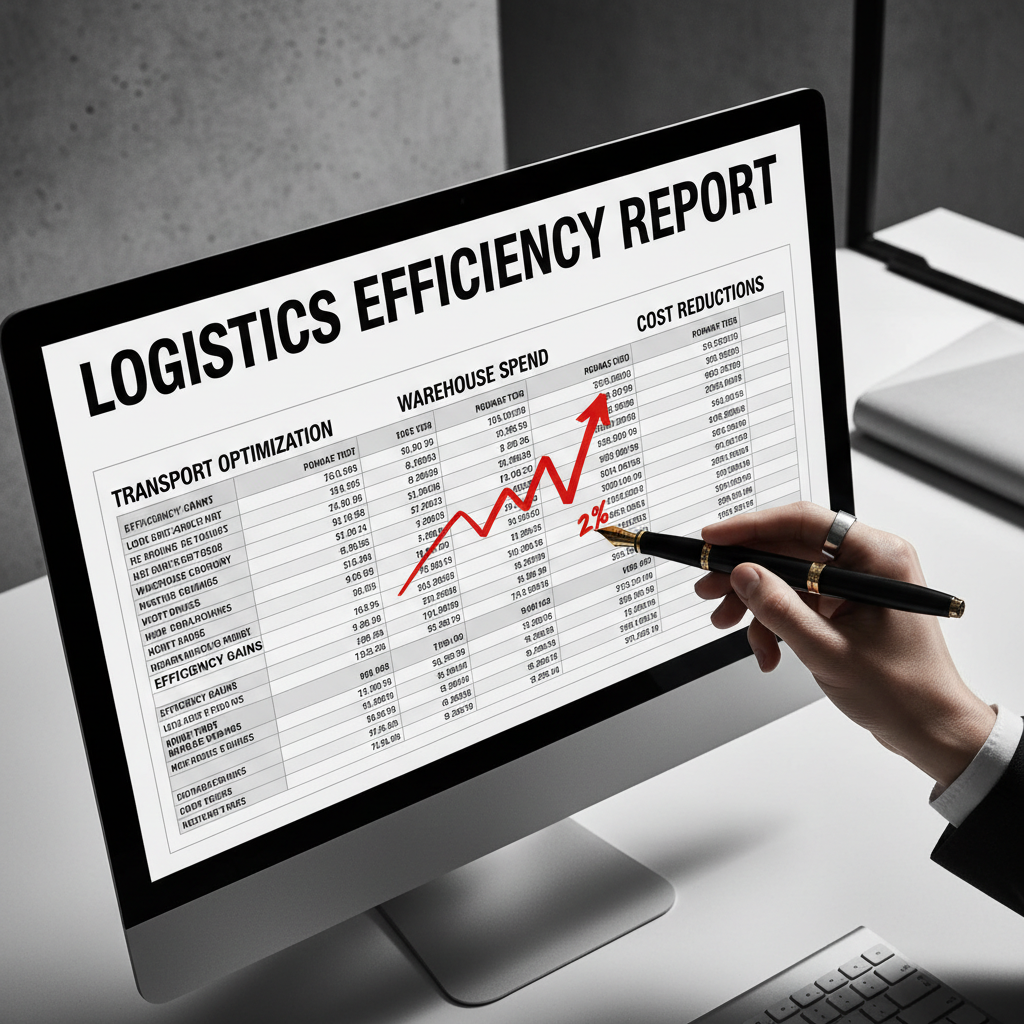
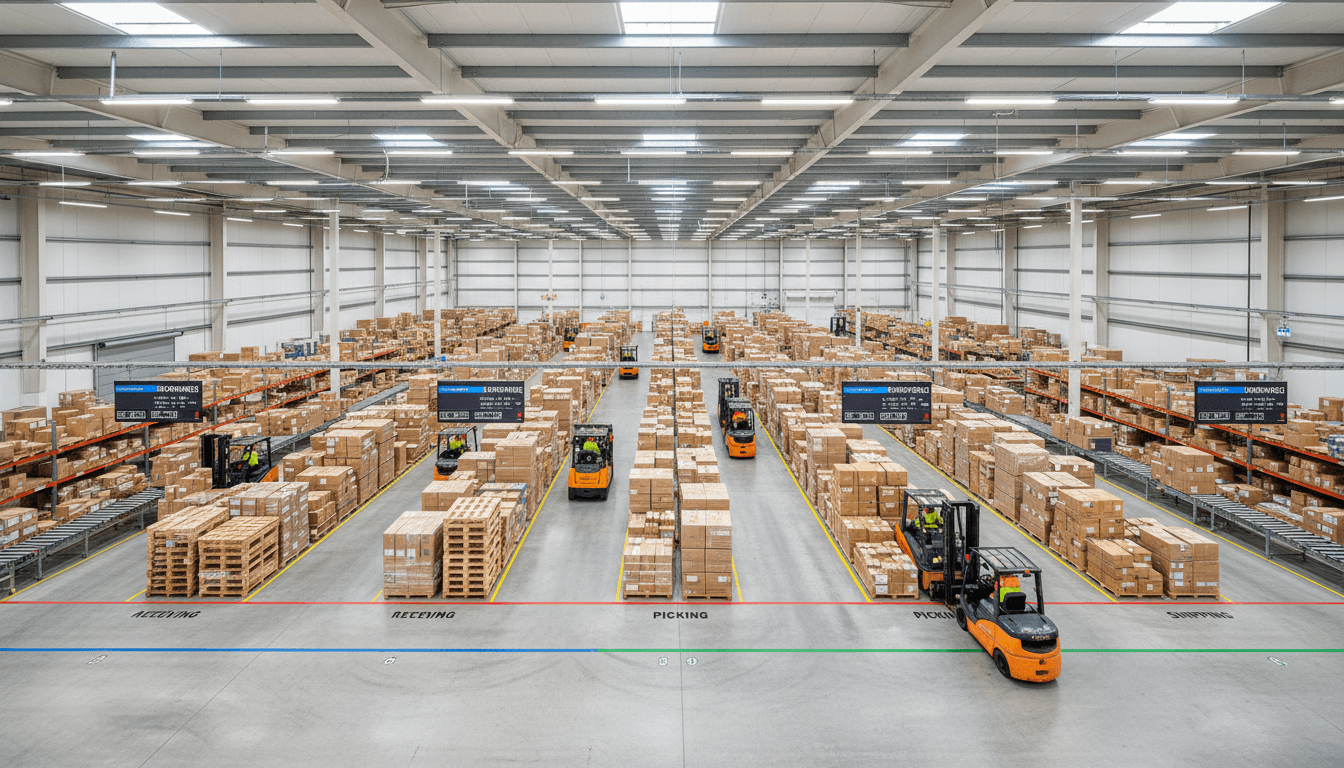
Moving into 2026, the strategic focus for Utah manufacturers and retailers is shifting from a just-in-time model to a just-in-case inventory posture. This transition is a direct response to the increasing need for supply chain resilience for small businesses. By maintaining buffer stock within the Intermountain West, companies can insulate themselves from the volatility of national freight corridors. Micro-fulfillment is no longer just a strategy for global e-commerce giants; it is a practical method for a local distributor to hold inventory in strategic locations like Box Elder County to ensure rapid delivery to customers in Logan, Ogden, or Salt Lake City.
Implementing these trends requires more than just extra warehouse space; it demands sophisticated transportation coordination. Small businesses often realize significant labor productivity gains when they transition away from managing logistics in-house. When an internal team stops chasing tracking numbers and starts focusing on core production or sales, the entire operation becomes more efficient. Utilizing local knowledge and modern logistics practices allows specialized experts to handle the complexities of regional movement, from managing dock schedules to navigating seasonal weight restrictions.
This shift allows your staff to focus on growth while specialized logistics services throughout Utah handle the physical flow of goods. As lead times become more unpredictable, having local distribution support provides the safety net needed to keep their supply chains running smoothly without inflating internal overhead costs. By adopting these trends, regional businesses move from being reactive to being proactively prepared for whatever the 2026 market demands.
Why Global Logistics Software Cannot Replace Local Expertise
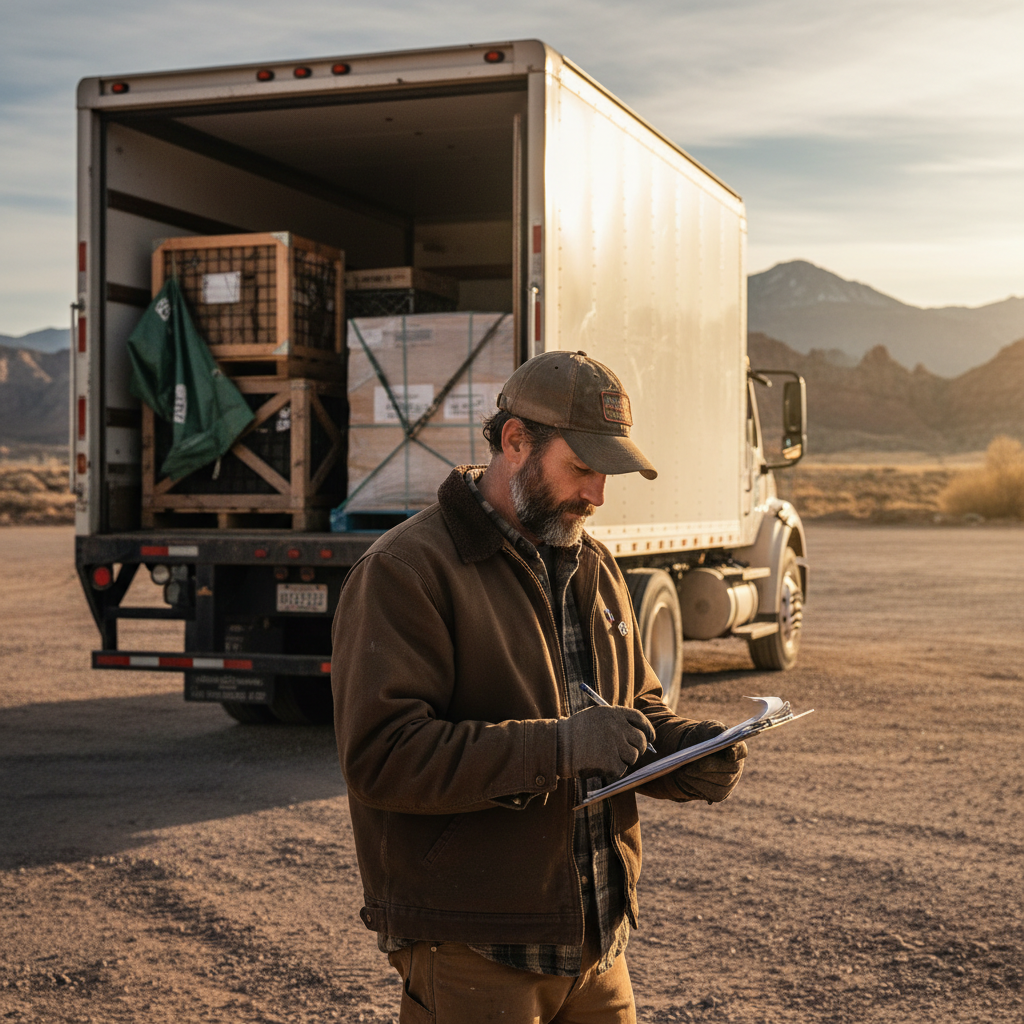
While automated dashboards and AI predictive modeling offer valuable data points, they often fail to account for the physical realities of the Intermountain West. Global logistics software operates on averages and historical data; however, it cannot predict a sudden construction bottleneck in Logan or the specific maneuvering requirements of a tight delivery dock in downtown Salt Lake City. For a growing company, relying solely on an algorithm can create a false sense of security that undermines supply chain resilience for small businesses.
True operational stability comes from human intelligence that understands the terrain. A local dispatcher knows which routes are prone to drifting snow before the sensors report it. They understand that a delivery to a Box Elder County job site requires different coordination than a retail drop in Ogden. By leveraging local knowledge and modern logistics practices, a provider acts as a filter for the noise generated by national platforms. This last mile expertise ensures that when a digital map shows a clear path, a human expert is already rerouting freight to avoid a known local delay. These logistics services throughout Utah bridge the gap between digital planning and physical execution, helping firms keep their supply chains running smoothly even when the technology fails to see the obstacles ahead.
Actionable Strategies to Reduce Freight Costs and Mitigate Risk
Transitioning from human intelligence to physical execution requires specific tactics that protect the bottom line. To battle rising fuel costs, businesses should prioritize LTL consolidation. By combining smaller shipments into a single regional move, you reduce the impact of volatile fuel surcharges that often plague uncoordinated freight. This approach is particularly effective for manufacturers in Box Elder County who frequently ship to the same retail or industrial hubs along the Wasatch Front.
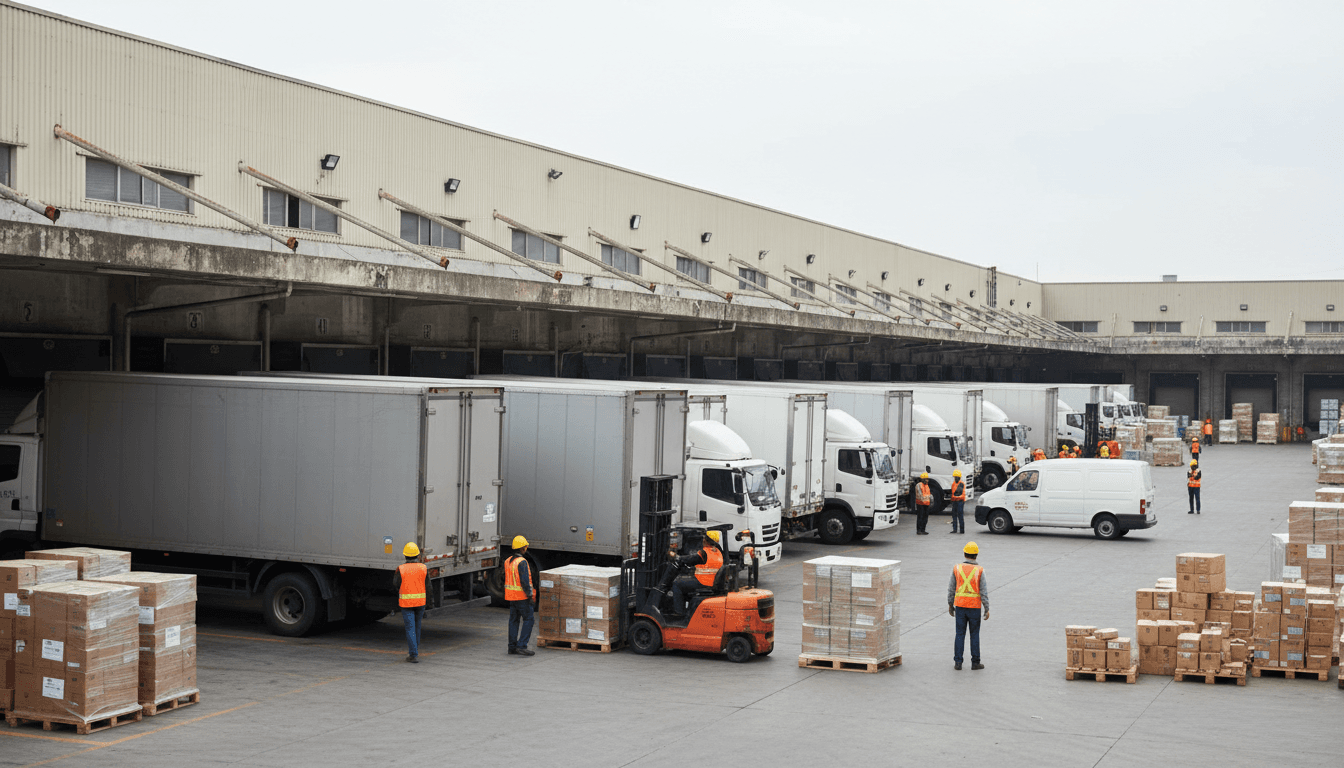
Implementing local cross-docking is another high impact move to reduce overhead. Rather than committing to long term, high cost warehousing in saturated markets like Salt Lake City, use a localized terminal to transfer goods quickly from inbound trailers to local delivery vehicles. This keeps inventory moving and drastically lowers storage expenses.
Mitigating risk also requires establishing secondary route plans for the winter months. A resilient strategy accounts for alternative paths when I-15 or US-91 experience heavy closures due to lake effect snow or accidents. True supply chain resilience for small businesses involves avoiding the hidden costs of detention fees and missed delivery windows. A partner with local knowledge and modern logistics practices understands the specific constraints of Utah delivery sites, such as restricted access windows in historic downtown districts or specialized equipment needs for rural construction projects. These logistics services throughout Utah ensure drivers arrive prepared for the unique quirks of each facility, preventing the idle time that leads to costly penalties. By focusing on these concrete steps, regional firms can keep their supply chains running smoothly while maintaining the thin margins necessary for growth in the Intermountain West.
Building a Long Term Partnership with a Utah Logistics Provider

Transitioning from tactical moves to a sustainable strategy requires a fundamental shift in how you view your service providers. A vendor simply moves a pallet from point A to point B for a fee. A partner, however, assumes responsibility for the success of your entire distribution network. For a firm striving for supply chain resilience for small businesses, the choice of partner determines whether you can scale operations or remain trapped by regional bottlenecks.
Effective partnerships are built on the 5 Ps of logistics:
Plan: Developing proactive routes that account for the unique terrain of the Intermountain West.
Produce: Executing freight movements with precision and professional handling.
Protect: Safeguarding cargo against environmental risks and transit damage.
Price: Providing cost-effective solutions that reflect regional market realities rather than national averages.
Partner: Operating as an integrated extension of your own internal team.
Working with a firm that utilizes local knowledge and modern logistics practices provides a level of flexibility that national carriers cannot match. When a project in Box Elder County requires an immediate adjustment, a local partner responds with personal attention rather than a generic support ticket. These logistics services throughout Utah are designed to adapt to your specific growth needs, providing the continuity required to keep their supply chains running smoothly even as market conditions evolve.
Building resilience in your supply chain is not just about survival; it is about creating a competitive edge through local expertise and strategic agility. While small businesses in Utah face unique challenges, staying rooted in the local logistics community provides a strong foundation for growth. If you find that managing these complexities feels overwhelming, you might benefit from partnering with a team that understands the regional landscape intimately. You can read more about our approach to see how expert support can simplify your operations and help your business thrive in any economic climate.