Choosing the ideal freight and logistics services for a Utah business requires identifying your specific needs for cargo handling, international shipping, and supply chain scalability. You should evaluate whether a broker, forwarder, or third-party logistics provider offers the necessary experience and physical infrastructure to move your goods reliably and at a fair price.
Navigating the complexities of freight shipping in Utah often feels like a constant battle against rising fuel surcharges, unpredictable transit times, and industry jargon that obscures more than it clarifies. For many local businesses, the frustration lies not in the product itself but in the fragmented logistics chain that prevents it from reaching the customer efficiently. Selecting the right service is not merely a line item; it is a strategic decision that directly impacts your ability to scale within the Intermountain West. In this guide, we provide a practical breakdown of industry terminology to help you distinguish between brokers and forwarders. You will learn the specific indicators that suggest your company is ready for a 3PL partner. Furthermore, we will outline the evaluative criteria needed to secure a partnership that bolsters your bottom line rather than draining your resources.
Demystifying Freight and Logistics Services: What Do the Terms Actually Mean?

Navigating the world of shipping often feels like learning a second language. While many use terms like logistics or shipping interchangeably, the specific roles within the industry dictate how your goods move and how much you pay. For Utah manufacturers and distributors, distinguishing between these roles is the first step toward securing reliable and efficient logistics services that fit your budget and operational needs.
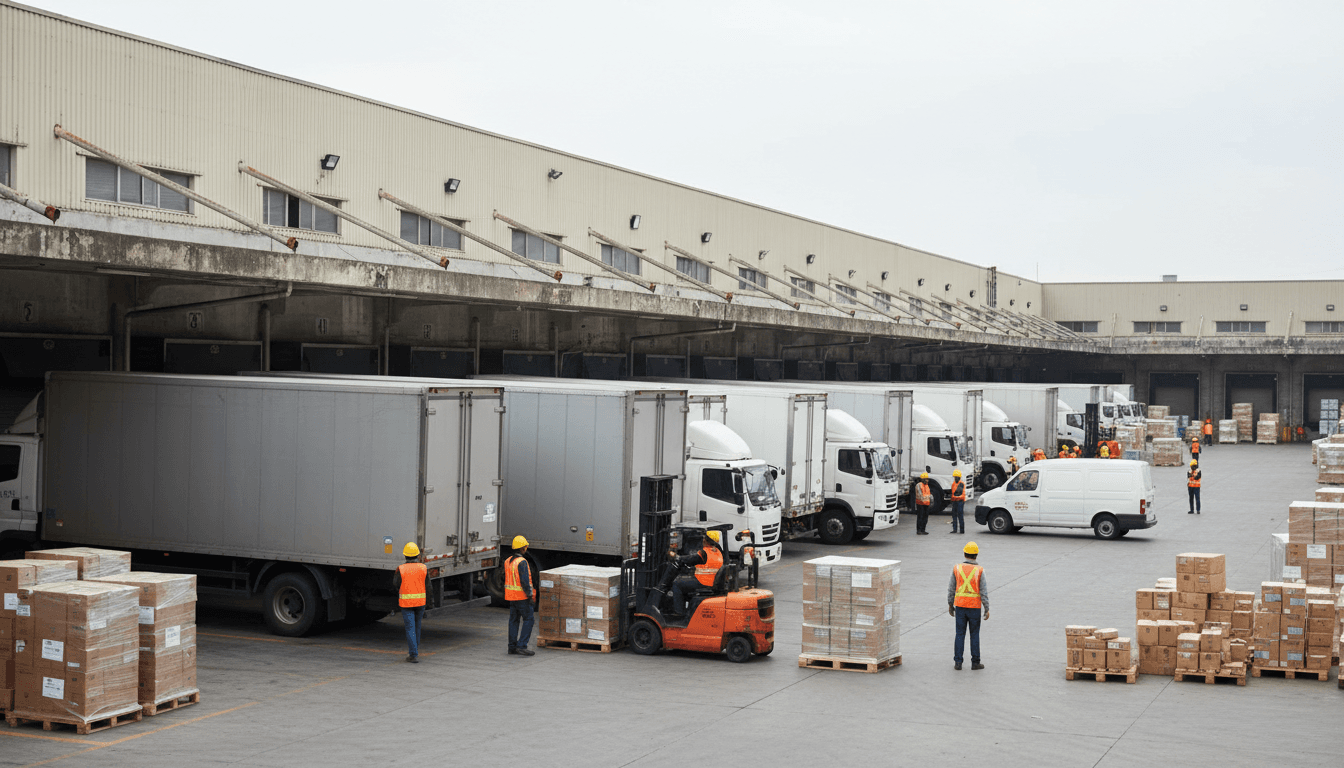
Think of the relationship between a travel agent and an airline. An airline owns the planes and employs the pilots; they are the physical transporters. A travel agent, however, searches multiple airlines to find the best route and price for your specific needs. In this industry, the carrier is the airline. They own the trucks and move the freight. A freight broker is the agent. They use an established network to find the right truck at the right time for the right price, though they do not physically touch the cargo.
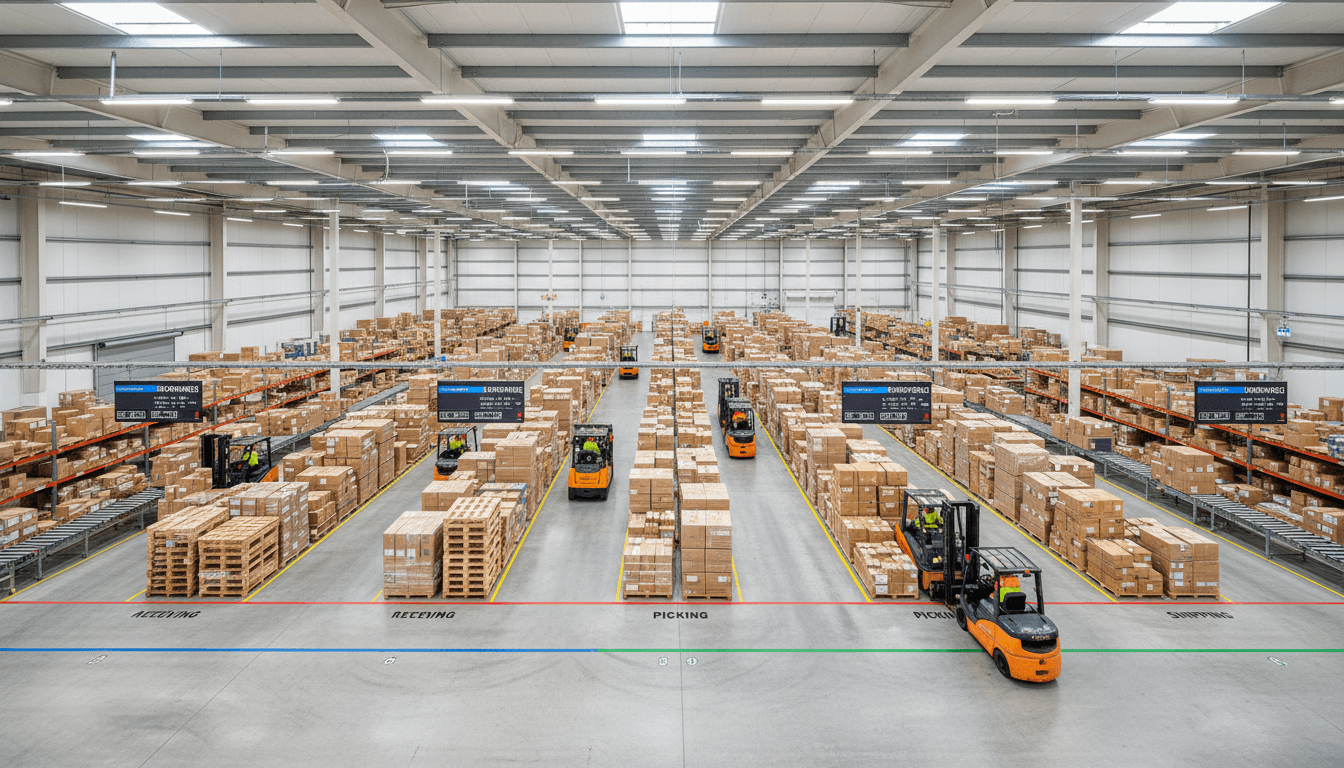
A freight forwarder goes a step further than a broker by often taking physical possession of goods to store, pack, or consolidate them, particularly when managing international customs. Finally, a 3PL, or Third-Party Logistics provider, acts as a comprehensive partner that manages broader parts of your supply chain, such as warehousing, distribution, and inventory management.
Misunderstanding these roles leads to wasted spend and service gaps. When the Anders Logistics team works with local businesses, we clarify these distinctions to ensure you are not paying for unnecessary overhead. Whether you are moving construction materials through Box Elder County or shipping retail goods across the Intermountain West, knowing who handles your freight ensures better accountability. If you are ready to streamline your shipping, you can get a freight quote to see how professional coordination impacts your bottom line.
Freight Broker vs Freight Forwarder: Which One Does Your Business Need?

Choosing between a broker and a forwarder is a common crossroads for businesses scaling their operations. The primary distinction lies in physical possession and geographic scope. A freight broker acts as an expert coordinator who connects your business with vetted carriers to move goods via truck. They never physically touch your freight; instead, they manage the communication, documentation, and scheduling to ensure your cargo moves efficiently from point A to point B. This model is built for domestic agility, focusing heavily on over-the-road transportation.
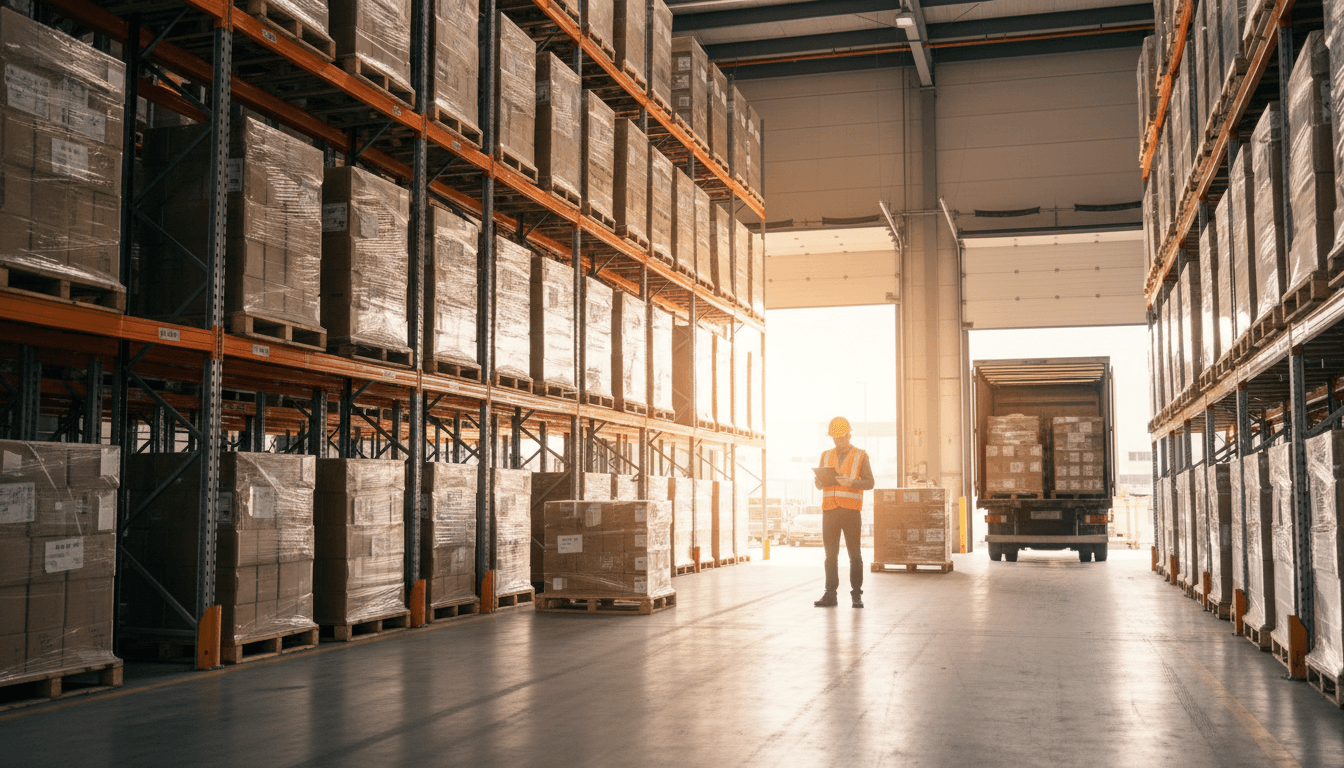
A freight forwarder, by comparison, often takes physical possession of the goods. They may provide warehousing, pack or crate items for transport, and consolidate smaller shipments into larger containers. Forwarders are typically the go-to choice for international trade, as they handle the complexities of ocean or air freight and navigate the legalities of customs brokerage.
Feature | Freight Broker | Freight Forwarder |
|---|---|---|
Physical Possession | No | Yes |
Primary Focus | Domestic Trucking | International & Consolidation |
Key Services | Carrier Vetting & Dispatch | Storage, Packing, & Customs |
Best For | Regional & Interstate Freight | Global Supply Chains |
For many companies in Utah and the Intermountain West, the domestic expertise of a broker is often the most cost-effective path. The Anders Logistics team bridges the gap between these roles by offering the high-level coordination of a broker with the localized attention that a massive, faceless national forwarder cannot provide. National providers often view Utah as a pass-through region, but a local partner understands the specific challenges of the I-15 corridor, from winter weather delays in the mountain passes to the specific scheduling needs of regional distribution hubs. When you get a freight quote from a local expert, you are investing in reliable and efficient logistics services that prioritize the Intermountain West routes your business relies on every day.
7 Signs Your Business Is Ready for a 3PL Logistics Provider

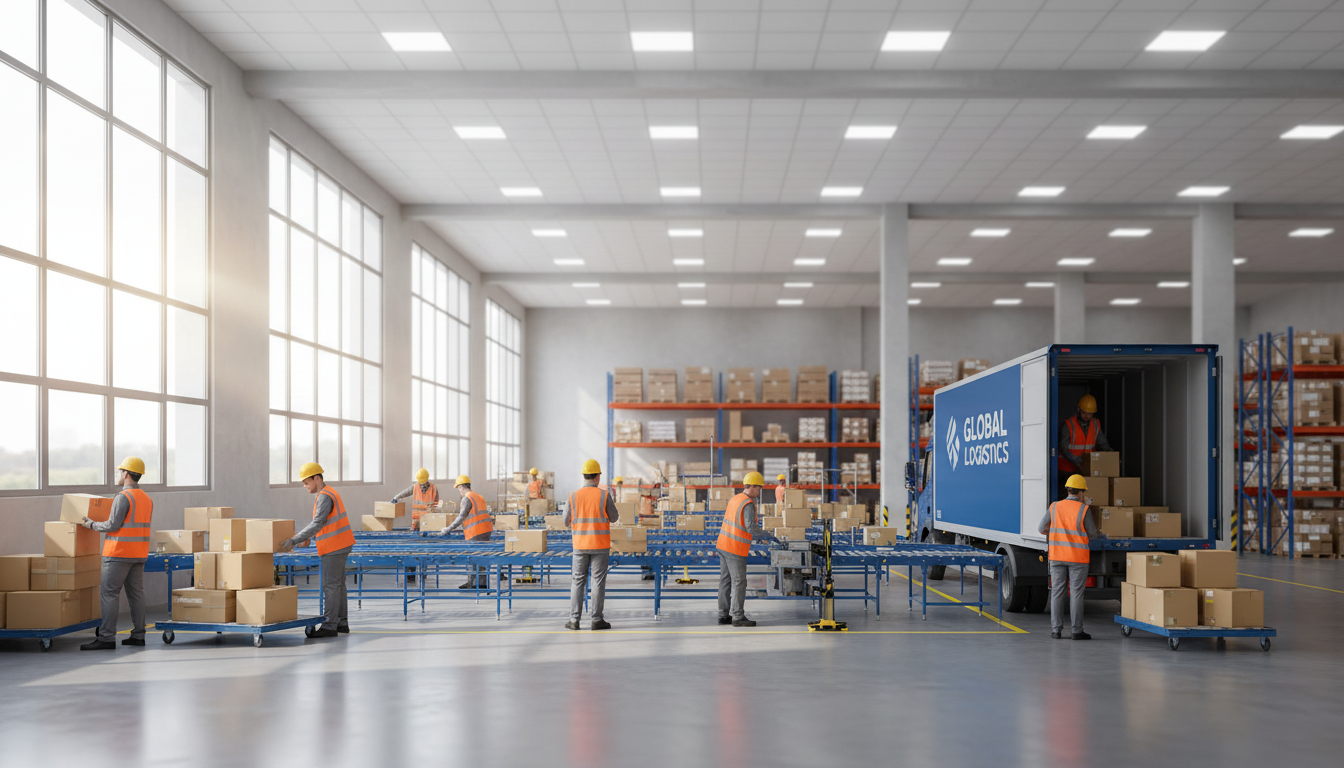
Recognizing when your business has outgrown its current shipping methods is critical for maintaining long term growth. For many small to mid sized operations in Utah, the transition to a Third Party Logistics (3PL) provider happens when logistics stop being a task and start becoming a bottleneck. Instead of handling shipping as a side note to production, a 3PL acts as your outsourced shipping department, managing the tactical details while you focus on your core business.
Seven indicators suggest your company is ready for this level of support: 1. Fluctuating shipping volumes that make it impossible to maintain a consistent in house fleet or staff. 2. Escalating warehouse costs that eat into margins, especially when paying for unutilized space during slow months. 3. Delivery delays to key regional markets like Idaho or Nevada, which signal that your internal routing is no longer efficient. 4. An overwhelming administrative burden, where tracking shipments and managing carrier paperwork takes more time than actual manufacturing or sales. 5. Difficulty managing returns and reverse logistics as customer expectations rise. 6. A lack of real time visibility into the supply chain, leading to reactive rather than proactive customer service. 7. Shipping costs that rise faster than revenue due to a lack of specialized carrier vetting and rate negotiation.
A 3PL functions as your strategic partner, handling the complexities of reliable and efficient logistics services so you can remain focused on your output. The Anders Logistics team often sees local businesses reach a plateau because their leadership is stuck on the phone with drivers instead of growing their client base. By shifting the burden of tracking, coordination, and cost management to experts who understand the Intermountain West, you regain the operational capacity needed to scale. If these growing pains sound familiar, it may be time to get a freight quote and evaluate how a dedicated partner can stabilize your regional distribution.
How to Evaluate a Logistics Partner for the Intermountain West
Identifying the need for help is only the first step; the second is ensuring your chosen partner understands the geography of your specific supply chain. For companies operating out of Box Elder County or the Salt Lake City metro area, a generic national provider often lacks the granular expertise required to navigate the Intermountain West. When you evaluate reliable and efficient logistics services, start by vetting their local knowledge. Ask if they understand the seasonal weight restrictions or the impact of a sudden winter storm on the mountain passes connecting Utah to Idaho and Wyoming. A partner who knows how Parleys Canyon or Sardine Canyon behaves in January will offer more accurate lead times than one relying solely on a generic software algorithm.
Transparency serves as the next critical metric. Reliable coordination requires clear communication channels rather than automated portals that provide no real answers. Inquire about their tracking protocols. Do they offer real-time updates, or are you forced to chase down information when a shipment is late? A professional partner should act as an extension of your team, providing proactive alerts before a minor delay becomes a major production stoppage.
Criteria | Essential Evidence |
|---|---|
Regional Expertise | Specific experience with I-15 and I-80 corridors and Intermountain weather patterns. |
Communication | Dedicated points of contact and proactive notification systems. |
Scalability | The ability to handle both single pallet retail shipments and full truckloads of construction materials. |
Scalability is vital because your logistics needs will likely change as your business grows. The Anders Logistics team recommends assessing whether a provider can handle your specific cargo type at scale. A broker comfortable moving light retail goods might struggle with the specialized requirements of heavy construction equipment or bulk materials. Before you get a freight quote, verify that their carrier network is diverse enough to support your long term projections; this ensures they can accommodate a sudden surge in volume without sacrificing the service quality your customers expect.
The 7 Cs of Logistics and Why They Matter for Your Bottom Line
Building on the criteria for regional evaluation, successful distribution in the Intermountain West relies on a foundational framework known as the 7 Cs of logistics. By focusing on Condition, Commodity, Cost, Communication, Customer, Control, and Coordination, businesses can transform their supply chain from a tactical necessity into a strategic growth engine.
The Anders Logistics team applies these principles to every shipment to protect your operational margins. For example, Condition and Commodity ensure that specialized freight, such as heavy construction equipment or bulk retail stock, arrives exactly as intended. Cost and Control prevent budget overruns by providing real time visibility into shipping routes, while Communication and Coordination eliminate the administrative guesswork often associated with multi state transport. Finally, the Customer remains the central focus; every logistics decision should ultimately improve the delivery experience for the end user.
When these seven elements are managed with professional precision, freight and logistics services stop being a drain on resources and start contributing directly to your bottom line through improved reliability and reduced waste. This structured approach is what provides the consistency needed to scale operations in Box Elder County and the surrounding region. If your current shipping process feels disjointed, you can get a freight quote to see how a focus on these core principles stabilizes your distribution network.
Avoiding Common Pitfalls: Why Freight Partnerships Sometimes Fail

Freight partnerships usually fail when the focus shifts from operational success to raw transaction costs. Many brokers fail because they lack the localized insight required to navigate regional complexities. A primary reason for failure is the disconnect between a broker's desk and the actual road conditions. Without local expertise, a broker might promise a delivery window that ignores the realities of the I-15 or the specific docking constraints of a facility in Box Elder County.
Poor communication leads to hidden costs that erode your profit margins. These often manifest as unexpected accessorial charges, such as detention fees, re-delivery fees, or liftgate charges that were not discussed upfront. Transparent freight and logistics services should account for these variables before the truck ever arrives at the loading dock.
It is tempting to chase the absolute lowest spot rate quote to save money on a single lane. However, the Anders Logistics team emphasizes that the cheapest option often results in service failures. A missed deadline at a retail distribution center or a construction site shutdown due to a late delivery costs far more than the few hundred dollars saved on a quote. Prioritize long-term consistency over bottom-barrel pricing. Reliable service preserves your reputation with your customers and ensures your supply chain remains predictable. If you are tired of unpredictable results and hidden fees, you can get a freight quote that reflects a realistic, dependable approach to Utah shipping.
Finding the right logistics fit for your Utah business depends on balancing cost, reliability, and clear communication. While managing these complexities independently is an option, it often helps to have a dedicated partner handling the heavy lifting. If you want expert help navigating the shipping landscape, feel free to learn more About our approach to supporting local growth. We are here to ensure your freight moves smoothly while you stay focused on your core business goals.