Businesses can successfully reduce freight costs Utah by leveraging local logistics partnerships to secure volume discounts and optimize shipment consolidation. Implementing strategies such as improving packaging efficiency and utilizing advanced regional tracking tools can further minimize expenses and streamline distribution across the state.
Running a business in Utah’s expanding market often means facing a unique set of logistics challenges that national carriers overlook. As transportation expenses climb across the Intermountain West, your profit margins are likely feeling the strain of rising fuel surcharges and inefficient routing. Simply accepting standard market rates is no longer a viable strategy for maintaining a competitive edge. At Anders Logistics, we understand that geographical expertise is the key to sustainable savings. This guide explores how to master shipment consolidation and identify the hidden fees currently draining your budget. You will learn why local route optimization outperforms standard GPS data and how specialized auditing can protect your bottom line in 2026. By leveraging regional insights, you can transform your supply chain from a cost center into a strategic advantage.
The Rising Cost of Logistics in the Intermountain West
In 2026, Utah manufacturers and distributors are navigating a complex economic environment. While national freight rates show signs of stabilization, the Intermountain West operates under a different set of rules. The rapid population surge along the Wasatch Front, combined with an insatiable demand for construction materials in growing hubs like Box Elder County, has placed unprecedented pressure on local infrastructure and capacity.
Many businesses attempt to mitigate these expenses by chasing the lowest initial bid from national carriers. However, this strategy often backfires. A rock-bottom rate frequently masks inefficiencies that manifest as missed delivery windows, driver detention, or secondary handling fees. To truly reduce freight costs Utah companies must look beyond the base rate and account for total landed costs. Simply selecting the cheapest option often leads to expensive corrections downstream.
The most effective way to protect profit margins in this region is leveraging local expertise. Regional nuances, from specific yard requirements at construction sites to the shifting bottlenecks of I-15, impact the bottom line more than a standard spreadsheet might suggest. Securing reliable logistics services in Utah is not just about moving freight; it is about applying about our local expertise to anticipate problems before they appear on an invoice. By prioritizing operational precision over transactional bidding, businesses can stabilize their supply chains and get a custom freight quote that reflects regional reality rather than a teaser rate.
Consolidating Shipments: How to Master LTL vs FTL in Utah
Is Less Than Truckload (LTL) actually more expensive than Full Truckload (FTL)? The answer depends on your volume and frequency. While a single LTL pallet might have a lower upfront price than renting a whole trailer, the cost per pallet is significantly higher. LTL shipments are subject to class ratings, weight minimums, and multiple terminal handlings, each adding to the price. Conversely, an FTL shipment spreads the fixed costs of the driver and fuel over 26 to 30 pallets, drastically lowering the unit cost.
A strategic approach to reduce freight costs Utah businesses face involves transitioning from reactive LTL shipping to proactive consolidation. By grouping multiple orders destined for the same region, a local partner can move freight as a "partial" or a full truckload. This strategy utilizes regional hubs in Salt Lake City, Ogden, and Brigham City to combine loads before they hit the long haul.
Shipping Method | Handling Frequency | Cost Per Pallet | Best Use Case |
|---|---|---|---|
LTL (1-6 Pallets) | High (Multiple Terminals) | Highest | Small, infrequent orders |
Partial TL (6-12+ Pallets) | Minimal | Medium | Growing mid-sized shipments |
FTL (26-30 Pallets) | None (Point A to B) | Lowest | High-volume, high-priority |
National brokers often overlook these regional efficiencies, opting for the easiest load board transaction rather than coordinating a milk run. A milk run allows for multiple stops within Box Elder County or the Wasatch Front to pick up smaller quantities that eventually form a full load. This reduces fuel consumption and minimizes the damage risks associated with LTL cross docking. When businesses utilize reliable logistics services in Utah, they gain access to these consolidation opportunities that national call centers simply do not have the local density or relationships to execute. Planning shipments around these local hubs ensures that you are not paying for empty trailer space or unnecessary handling fees.
Avoiding the Hidden Fees Draining Your Profit Margins
While shipment consolidation offers significant savings, the true test of a logistics strategy is the final invoice. Many Utah businesses discover their freight bills are 15 to 30 percent higher than the original quote due to unexpected surcharges. These hidden freight costs, known as accessorial charges, cover services that fall outside of standard dock to dock transportation. Two of the most common drains on profit margins are detention and demurrage. Detention fees occur when a driver is held at a loading or unloading point beyond the standard two hour grace period, while demurrage typically involves the extended use of a carrier's equipment, such as a trailer left at a site too long.
In Utah, these fees often stem from regional site specific requirements. For instance, construction projects in Box Elder County frequently occur at locations without traditional loading docks. If a shipment arrives without a prearranged lift gate, the carrier will charge for specialized equipment and potentially a redelivery fee. Furthermore, the rapid suburban expansion along the Wasatch Front means many new commercial sites are classified as residential or limited access areas by national carriers, triggering automatic surcharges.
To effectively reduce freight costs Utah companies must focus on precise Bill of Lading (BOL) preparation. An accurate BOL that explicitly details site requirements, such as lift gate needs or specific delivery windows, eliminates the surprise invoices that national brokers often overlook. Local drivers who are familiar with the specific layouts of Utah industrial parks and job sites provide an extra layer of protection, as their knowledge prevents the navigation delays that lead to detention fees. By verifying site conditions before the truck leaves the yard, businesses can get a custom freight quote that remains accurate through final delivery.
Route Optimization Beyond GPS: The Local Knowledge Advantage

Standard routing software calculates the shortest distance between two points, but it rarely accounts for the operational rhythm of the Intermountain West. To truly reduce freight costs Utah businesses must move beyond generic GPS data and leverage geographic intelligence. Local knowledge dictates that an afternoon pickup in Salt Lake City requires a different time buffer than one in Brigham City, specifically to navigate the predictable surges on I-15.
Furthermore, seasonal weather in the canyons can introduce significant delays that software might not predict until the truck is already stalled. A partner with deep roots in the region understands how to adjust schedules for winter conditions in Parley’s Canyon or Logan Canyon, ensuring that equipment is utilized effectively rather than idling. This about our local expertise also extends to the specific loading dock nuances of major retailers along the Wasatch Front. Knowing which facilities have high turnover windows or strict check-in procedures allows for tighter, more reliable scheduling. By minimizing idle time and eliminating deadhead miles, where trailers run empty between jobs, reliable logistics services in Utah can offer more competitive pricing. When scheduling is based on reality rather than a generic algorithm, you can get a custom freight quote that reflects actual transit times, protecting your budget from the inefficiencies of a poorly planned route.
Why a Local Utah Logistics Partner Beats a National Broker

While GPS and algorithms provide data, the organizational structure of your logistics provider determines how that data is actually used. National brokers operate on a transactional model where loads are viewed as commodities in a massive digital marketplace. This distance creates a significant communication lag; if a driver faces an issue at a warehouse in Box Elder County, a representative in a distant call center likely lacks the context or the urgency to solve it immediately. In contrast, a local partner functions on a relational model, prioritizing long term consistency over one time margins.
Working with a local firm is one of the most direct ways to reduce freight costs Utah businesses often overlook. This model inherently eliminates the high overhead costs associated with national marketing campaigns and massive administrative tiers. Furthermore, local providers offer boots on the ground verification. Instead of relying on a generic status update in a tracking portal, a local partner has the proximity to verify cargo condition or facility access in person, ensuring the shipment matches the paperwork before the wheels turn.
Flexibility is another critical factor where the local model excels. National brokers often impose stiff, automated penalties for last minute schedule adjustments or minor Bill of Lading corrections. A local partner understands the fluidity of Utah’s manufacturing and construction sectors. They can often accommodate shifts in loading times or equipment needs without the punitive fees that frequently inflate a national broker's final invoice. Ultimately, local logistics providers have a vested interest in the region. When a distributor in Salt Lake City or a manufacturer in Brigham City thrives, the entire local economy grows. This shared success leads to reliable logistics services in Utah that are built on accountability rather than a volume based contract. To see the difference a relational approach makes, you can get a custom freight quote and leverage the benefits of about our local expertise to stabilize your supply chain.
Auditing Your Freight Spend: What to Look for in 2026
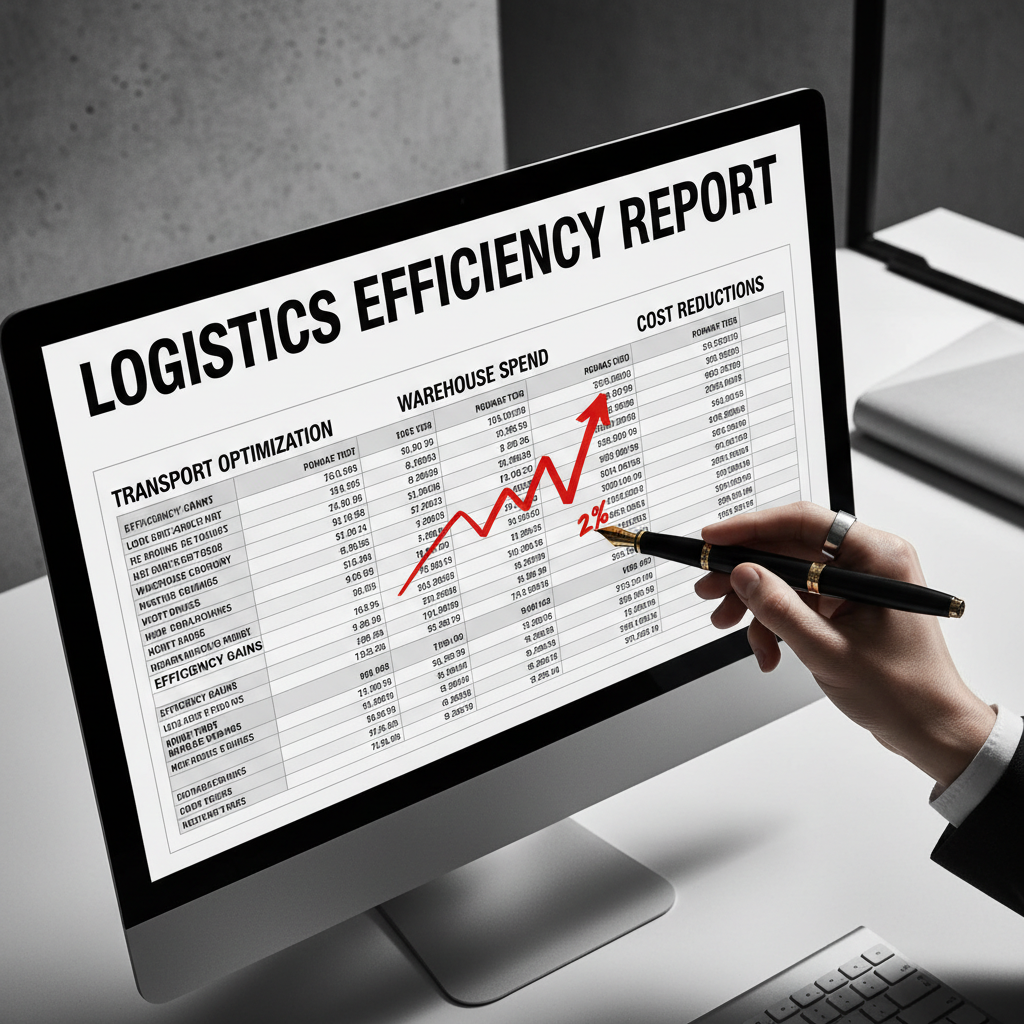
Effective auditing begins with a shift in perspective. Instead of viewing transportation as a fixed overhead cost, treat it as a variable that scales with your operational efficiency. To reduce freight costs Utah businesses should first calculate freight as a percentage of net sales. If this ratio is climbing despite stable order volumes, it indicates that inefficiencies like unoptimized lane selection or excessive accessorial fees are eroding your margins.
Next, analyze your on-time delivery rates. In the fast moving Intermountain West, a cheap rate becomes a significant liability if the cargo arrives outside the required window. A late delivery to a distributor in Ogden or a construction site in Box Elder County can lead to stalled production lines or lost customer trust. True value is found in a fair rate that guarantees reliability and preserves long term revenue. Tracking these performance metrics through simple logistics tools or even organized spreadsheets allows you to compare historical performance against current market averages.
By identifying where low cost carriers have caused secondary expenses through delays or damaged goods, you can justify the shift toward reliable logistics services in Utah that prioritize punctuality. This data creates a powerful benchmark for future planning. When you are ready to evaluate your current spend against a more efficient regional model, you can get a custom freight quote to see exactly where a local specialist can close the gaps identified in your audit.
Frequently Asked Questions About Utah Freight Costs
Addressing specific operational queries helps clarify the financial landscape for regional manufacturers and distributors. Below are answers to the most common questions regarding freight expenses in the Intermountain West.
What is the average LTL cost per mile in the West? Regional LTL rates in the Intermountain West typically fluctuate between $1.25 and $2.50 per mile, depending heavily on freight class, density, and current fuel surcharges. Because mountainous transit increases equipment wear and fuel consumption, rates in Utah often exceed national flatland averages. Consolidating shipments into partial truckloads is the most effective way to reduce freight costs Utah businesses experience in these high-cost lanes.
Who is responsible for demurrage charges? Responsibility for demurrage and detention typically falls on the party responsible for the delay, whether it is the shipper during loading or the consignee during unloading. To avoid these disputes, ensure your Bill of Lading clearly outlines site requirements.
How can a small business negotiate better rates? Small firms gain leverage by prioritizing consistency over sheer volume. Carriers prefer predictable schedules and efficient loading docks. By working with a partner focused on reliable logistics services in Utah, smaller shippers can tap into aggregate volume discounts. To see how these strategies apply to your specific lanes, get a custom freight quote that utilizes about our local expertise to secure more favorable regional pricing.
Navigating the complexities of freight costs in Utah requires a strategic approach that focuses on local expertise and efficient route planning. By implementing these strategies, your business can achieve significant long-term savings while maintaining a reliable supply chain. If you find that managing these moving parts is becoming a challenge, seeking professional guidance can simplify the process. To learn more about how we can support your unique shipping needs, you may explore our Services for tailored logistics solutions. We are here to help you optimize every mile.