Utah businesses choose between less than truckload and full truckload options based on shipment volume, budget, and delivery urgency. Selecting the right mode for freight shipping Utah LTL vs FTL involves using LTL for smaller loads that share trailer space to save money, whereas FTL is better for large or time-sensitive cargo requiring a dedicated truck.
Managing supply chains across Utah presents a unique set of logistical challenges, especially when fluctuating shipping costs threaten your bottom line. Whether you are moving goods through the Salt Lake City hub or navigating the more remote stretches of the Intermountain West, the choice between Less-Than-Truckload (LTL) and Full-Truckload (FTL) shipping can make or break your quarterly margins. This decision involves more than just pallet counts; it requires a deep understanding of transit times, handling risks, and regional pricing structures. In this guide, we will analyze the core differences between LTL and FTL, providing Utah business owners with the practical expertise needed to optimize their logistics. You will learn how to leverage each mode strategically, navigate local seasonal impacts, and prepare your freight to ensure every shipment arrives efficiently and cost-effectively.
Understanding the Fundamentals: What is LTL and FTL Freight?
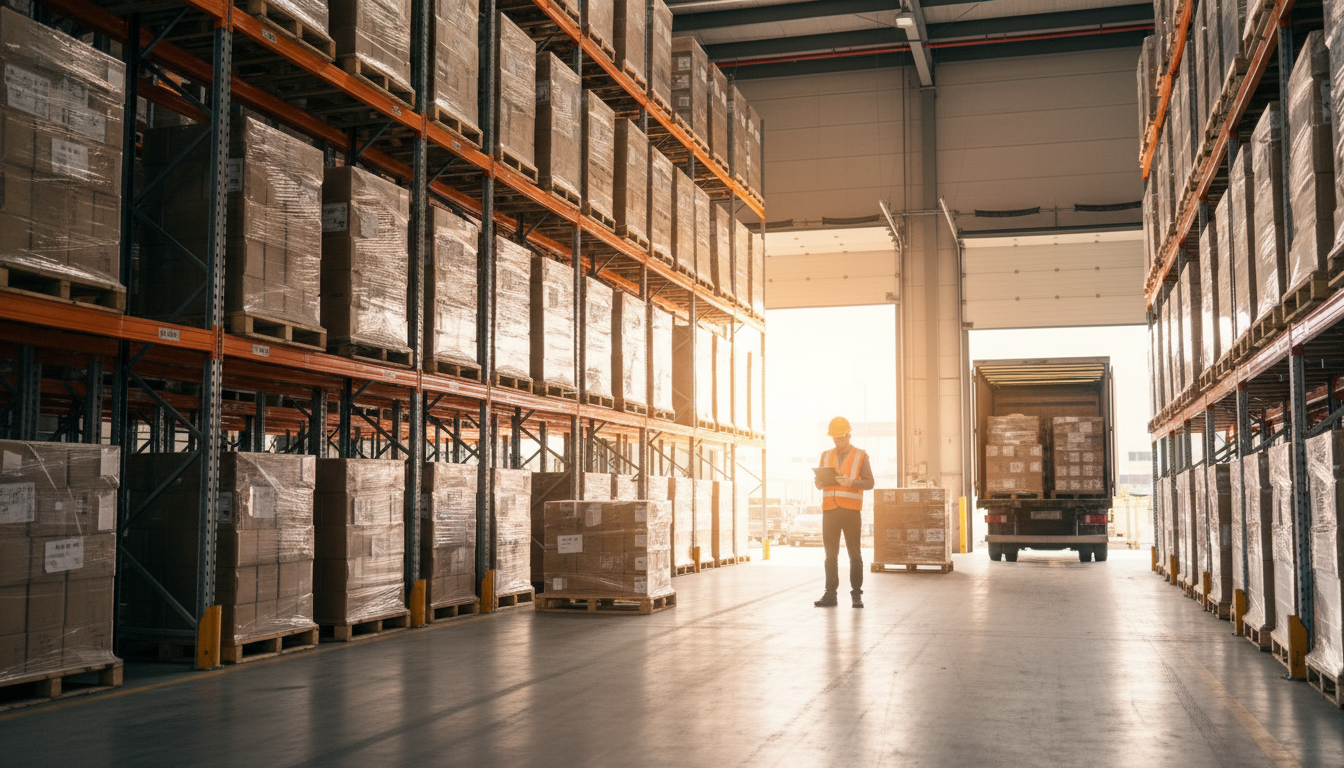
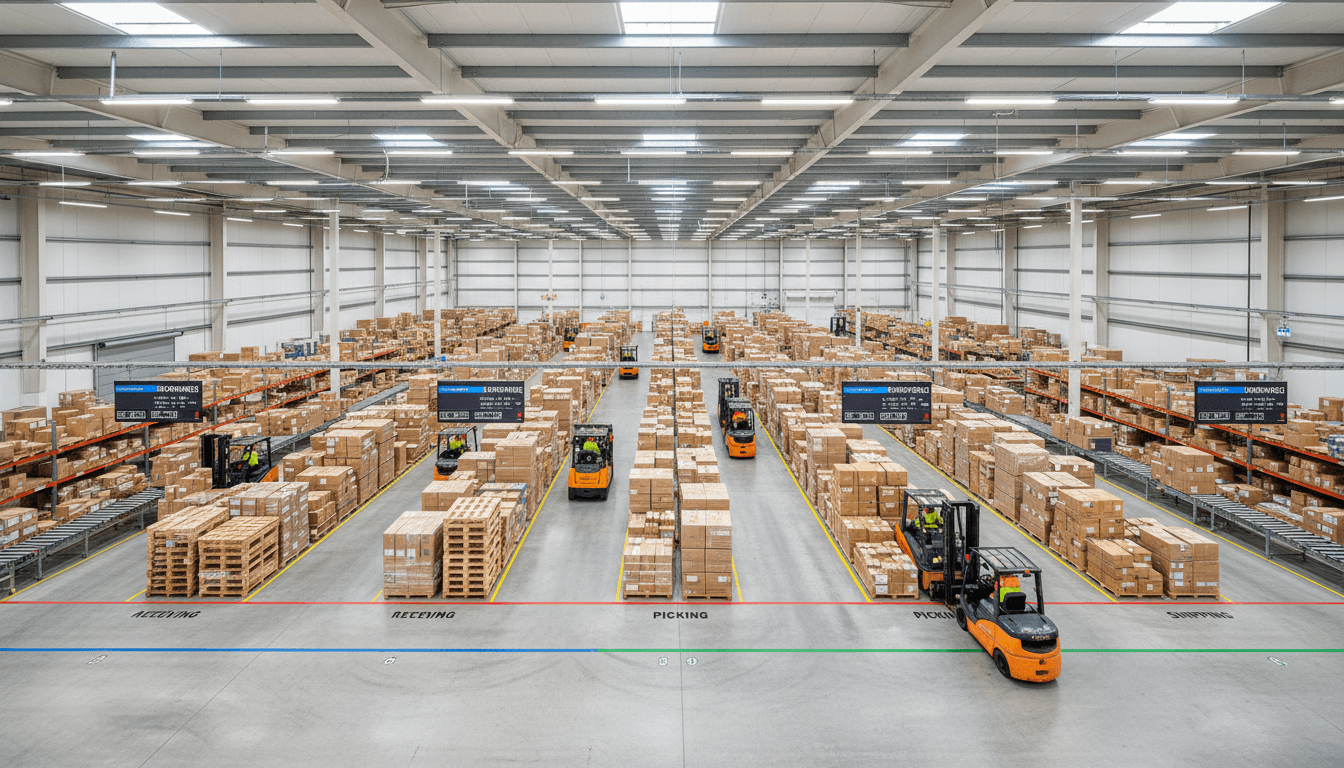
Selecting the right transport method starts with recognizing the fundamental differences between FTL and LTL. Full Truckload (FTL) shipping provides a dedicated trailer for a single shipper. This mode is generally reserved for large volume shipments exceeding 20,000 pounds or requiring up to 26 pallets. Because the entire space is yours, the truck moves directly from your loading dock to the destination, minimizing stops and handling.
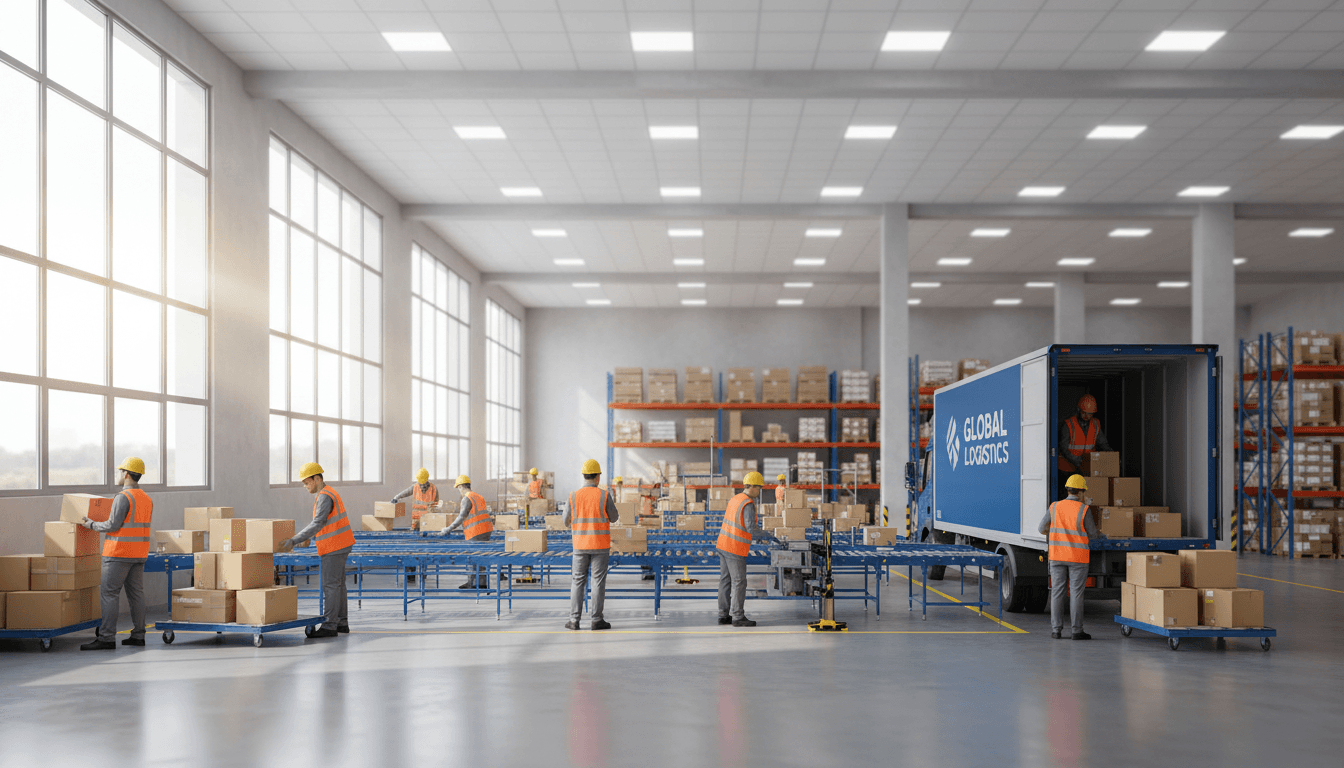
Less Than Truckload (LTL) shipping operates on a shared model. Instead of paying for an entire trailer, businesses pay only for the space their pallets occupy. This is the bridge between small parcel mail and full trailers, handling goods too heavy for standard couriers but not large enough to fill a 53 foot van. The process involves combining freight from multiple businesses into a single trailer to optimize costs. Decisions regarding freight shipping Utah LTL vs FTL often hinge on these specific volume requirements and budget constraints.
In the Intermountain West, these movements rely heavily on the I-15 corridor. As a primary logistics artery, I-15 connects Utah businesses to regional hubs, making both LTL and FTL essential for maintaining supply chain efficiency. Companies utilizing professional logistics services benefit from understanding how these two modes utilize local infrastructure differently. To learn more about Anders Logistics, consider how we streamline these movements across Box Elder County and the Wasatch Front.
When to Choose LTL for Your Utah Business Operations
LTL functions as the sharing economy for heavy freight. By pooling cargo with other regional businesses, companies pay only for the linear feet or pallet spaces their goods occupy. This is a vital strategy for cost-sensitive operations across the Wasatch Front that do not require the entire volume of a dedicated trailer. When analyzing freight shipping Utah LTL vs FTL, LTL emerges as the ideal choice for shipments weighing between 150 and 15,000 pounds.
This mode works best for businesses with flexible delivery windows and durable cargo. Because the freight is consolidated and deconsolidated at various terminals, it undergoes more handling than a dedicated load. Rugged goods, such as industrial components or palletized retail inventory, are well-suited for these extra transfers. Businesses utilizing professional logistics services often use LTL to maintain a lean inventory model, shipping smaller quantities more frequently rather than waiting to fill a large warehouse order.
For a retailer in Salt Lake City requiring frequent restocks or a distributor in Box Elder County managing regular shipments to regional partners, LTL provides the necessary frequency without the price tag of a full truck. It allows for consistent movement of goods while preserving capital that would otherwise be tied up in massive bulk deliveries. You can learn more about Anders Logistics to see how we coordinate these smaller, frequent movements to keep local supply chains moving efficiently. This approach ensures that even smaller firms can compete by accessing the same transport networks as major manufacturers.
The Strategic Advantages of FTL in the Intermountain West
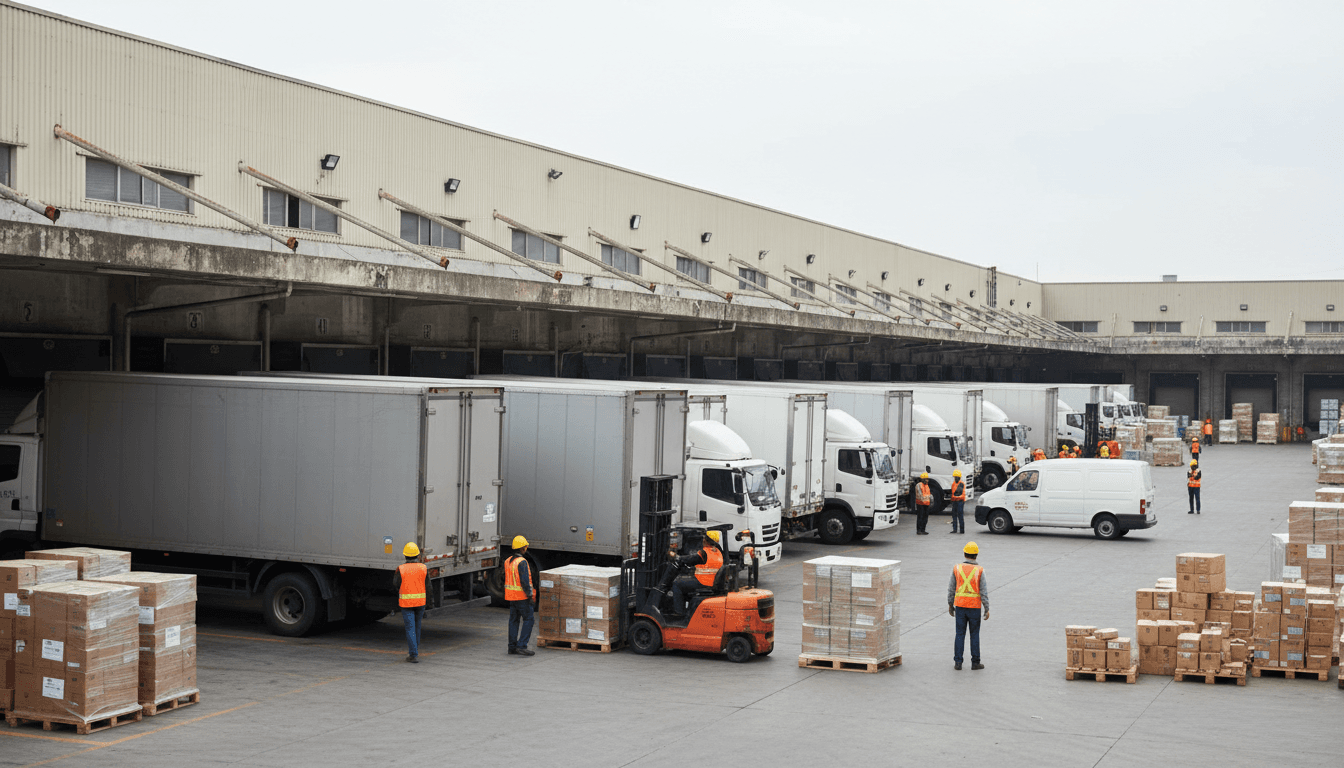
While LTL offers cost efficiencies for smaller loads, Full Truckload (FTL) serves as the powerhouse for high priority or high volume freight. The primary advantage of FTL in the Intermountain West is transit speed. Because the truck is dedicated to a single shipper, the driver moves directly from the origin to the destination without stopping at regional terminals for sorting or reloading. For businesses moving goods from Utah to regional hubs like Boise, Denver, or Las Vegas, this direct route can shave days off a delivery schedule compared to consolidated methods.
Security and freight integrity represent the second critical pillar. In a shared trailer environment, goods are often moved and restacked multiple times as other shipments are loaded and unloaded. For manufacturers shipping high value electronics, fragile components, or specialized machinery, FTL provides a controlled environment. The cargo stays on the same truck from the moment it leaves the loading dock until it arrives at the consignee, drastically reducing the physical touchpoints where damage is most likely to occur.
Volume capacity defines the third pillar and often dictates the financial logic of the shipment. When assessing freight shipping Utah LTL vs FTL, weight is a primary factor. A common question among growing businesses is, how many lbs is a full truckload? Standard 53 foot dry vans typically accommodate up to 45,000 lbs of cargo. If a shipment exceeds 20,000 lbs or requires more than 14 linear feet of trailer space, FTL generally becomes the more practical and cost effective choice.
FTL Specification | Standard Capacity |
|---|---|
Maximum Weight | Up to 45,000 lbs |
Maximum Pallets | 26 standard 48x40 pallets |
Trailer Length | 53 feet |
Handling | Single touch (load/unload) |
Utilizing professional logistics services to secure dedicated capacity ensures that large scale projects, such as construction site deliveries or bulk retail distribution, remain on track. By prioritizing FTL for critical shipments, businesses leverage the geographical advantage of Utah's central location. You can learn more about Anders Logistics and how we manage these dedicated routes to provide consistent, on-time results for clients across Box Elder County and the surrounding region.
Cost Factors: Freight Class and Accessorial Charges
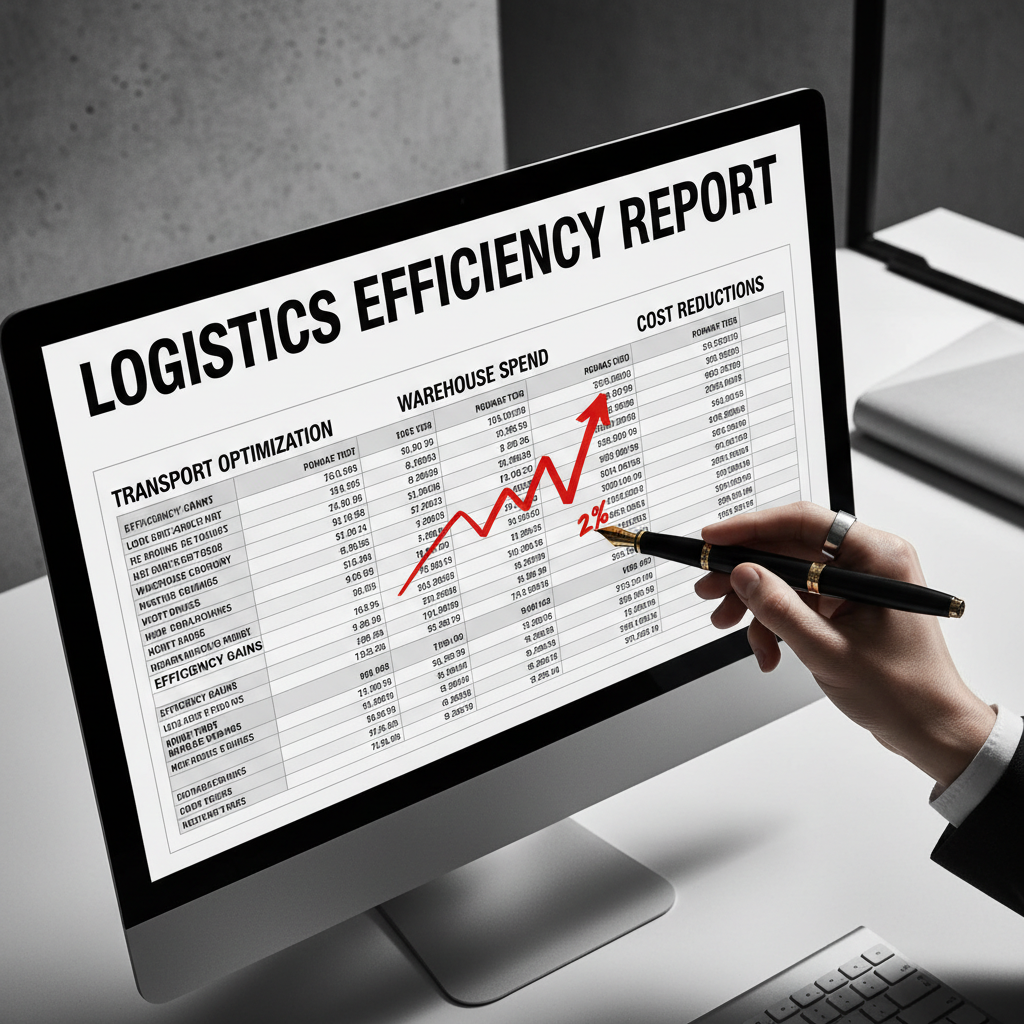
LTL pricing is significantly more complex than the flat rate or mileage based quotes typically found in FTL. The primary driver for LTL cost is the Freight Class, a standardized classification system based on four pillars: density, stowability, handling, and liability. Higher density items like steel fasteners or dense machinery usually fall into lower classes, resulting in lower rates. Conversely, lightweight but bulky items like assembled furniture have high classes because they occupy significant trailer space relative to their weight. When evaluating freight shipping Utah LTL vs FTL, understanding these classification nuances is crucial for maintaining an accurate shipping budget.
To determine freight class, you must first calculate the density. Measure the total cubic feet of the palletized load (Length x Width x Height / 1,728) and divide the total weight by that volume. This result, expressed in pounds per cubic foot (PCF), is the most influential factor in determining the NMFC class.
Freight Factor | Impact on Cost |
|---|---|
High Density | Lower Freight Class / Lower Cost |
Poor Stowability | Higher Freight Class / Higher Cost |
High Fragility | Higher Liability / Higher Cost |
Ease of Handling | Lower Handling / Lower Cost |
Utah shippers must also account for accessorial charges. These are fees for services that exceed standard dock to dock transport. Common LTL accessorials include liftgate fees for locations without a loading dock, residential delivery surcharges for home based businesses, and inside delivery fees if a driver must move freight past the threshold. While FTL often avoids these by utilizing dedicated trailers for industrial sites, LTL carriers track these services meticulously. Accurate weighing and professional palletizing are essential to avoid re-weigh or re-classification penalties, which can significantly increase the final bill. Utilizing professional logistics services ensures these variables are accounted for upfront. You can learn more about Anders Logistics to see how we help businesses in Box Elder County navigate these cost factors to ensure price transparency.
LTL vs FTL: A Quick Comparison for Decision Makers
Deciding between these two modes requires balancing the immediate freight bill against the total cost of delivery. When evaluating freight shipping Utah LTL vs FTL, manufacturers must weigh the upfront savings of LTL against its inherent transit variability. LTL operates on a hub and spoke model; shipments move through multiple regional terminals, which introduces the hidden cost of extended lead times and a higher frequency of handling. Conversely, FTL commands a premium price but offers a dedicated, direct route with a predictable delivery window.
Feature | Less Than Truckload (LTL) | Full Truckload (FTL) |
|---|---|---|
Transit Time | Indirect, influenced by terminal stops | Direct, point to point |
Handling | Multiple touchpoints (increased risk) | Minimal touchpoints (decreased risk) |
Cost | Cost effective for small volumes | Premium price for dedicated space |
Deadlines | Flexible arrival windows | Firm delivery appointments |
For a Utah manufacturer shipping to a construction site with a rigid crane schedule, the speed and security of FTL often justify the higher rate. However, a business replenishing stock for a retailer in Box Elder County may prefer LTL to preserve margins. Partnering with professional logistics services allows you to analyze these trade-offs based on current carrier capacity and lane data. You can learn more about Anders Logistics and how we help local firms select the mode that best aligns with their customer expectations and operational budgets.
Navigating Utah Logistics: Local Routes and Seasonal Impacts

Operating in the Intermountain West requires a strategy that accounts for more than just mileage. Local geography and severe winter weather play a decisive role in determining the reliability of your shipment. When evaluating freight shipping Utah LTL vs FTL during the winter months, LTL often faces higher risks. Because LTL relies on a network of terminals, a snowstorm in a single mountain pass can trigger a ripple effect of delays across the entire chain. If a hub in Salt Lake City is congested or a feeder route through Box Elder County is blocked, LTL freight often sits until the terminal backlog clears.
FTL offers more flexibility in these conditions. A dedicated driver can often adjust routes or timing to avoid peak storm windows, maintaining a direct line that avoids terminal congestion. For businesses navigating the Wasatch Front or shipping north through Sardine Canyon, local knowledge is the difference between a stalled load and a successful delivery. National brokers often miss these nuances, viewing Utah through a GPS lens rather than understanding real-time conditions on I-15 or US-91. At Anders Logistics, we utilize professional logistics services to manage these seasonal variables proactively. You can learn more about Anders Logistics and how our deep roots in the region allow us to advise on the right mode when mountain passes are restricted or winter weather advisories are in effect.
How to Prepare Your Freight for Seamless Transport
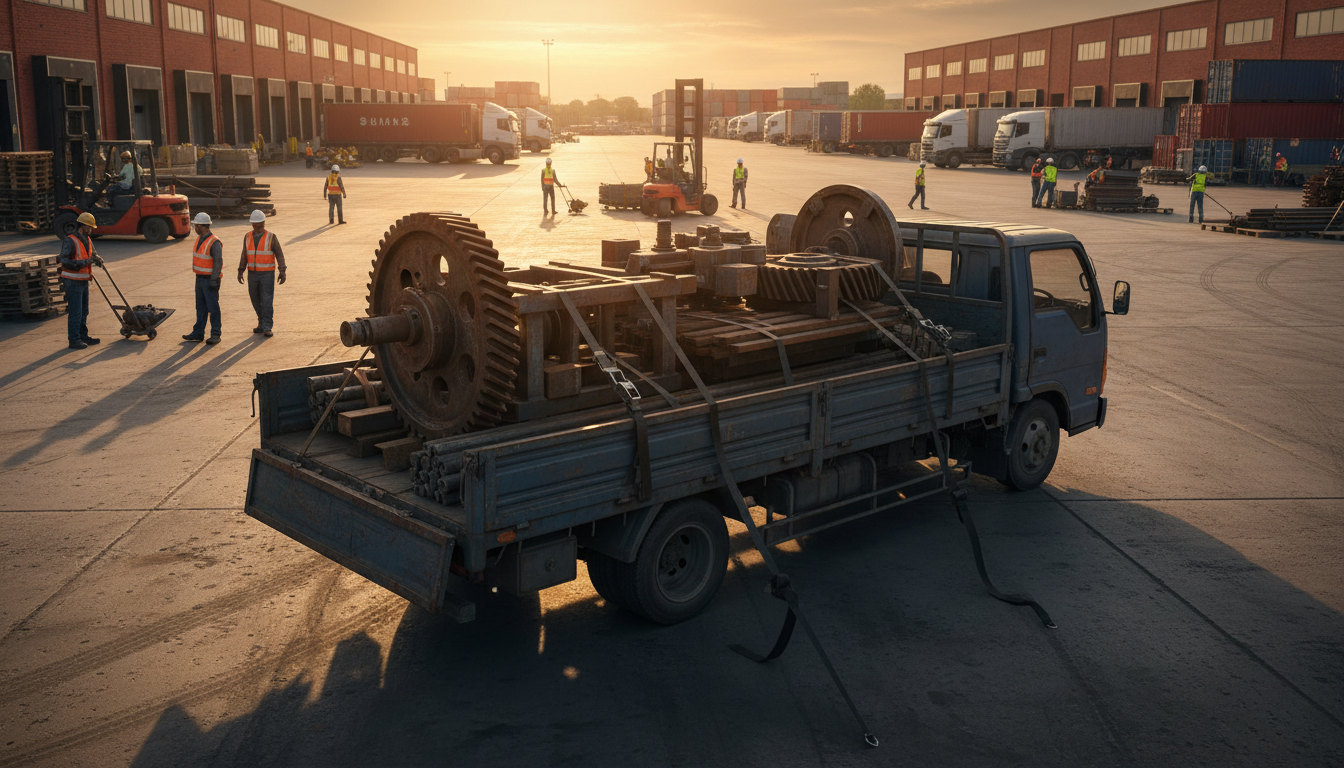
Moving from strategy to execution requires a focus on physical preparation. For Utah businesses in construction or manufacturing, securing a load properly prevents costly insurance claims during transit over mountain passes. Proper preparation ensures that the choice made during the freight shipping Utah LTL vs FTL evaluation translates into a successful delivery.
Use Standard Pallets: Stick to 48x40 inch wooden pallets in good condition. Sturdy bases prevent collapse during forklift transfers.
Strategic Stacking: Place the heaviest items on the bottom to lower the center of gravity. Ensure no boxes overhang the pallet edges, which can lead to crushing.
Secure Wrapping: Apply high quality shrink wrap starting at the pallet base. Wrap the base multiple times to anchor the load, then work upward. Apply at least three layers to bind the freight securely to the wood.
Precise Bill of Lading (BOL): The BOL serves as your legal contract. It must include exact piece counts, weights, and the correct NMFC freight class.
Leveraging professional logistics services helps verify these details before the truck arrives. You can learn more about Anders Logistics to see how our team supports local shippers in Box Elder County with documentation and packing standards that keep supply chains moving efficiently.
Selecting the ideal shipping method for your business comes down to weighing volume against speed and cost. Whether you prioritize the flexibility of LTL or the efficiency of FTL, finding the right balance is essential for maintaining a healthy bottom line. If you want expert help determining which strategy best serves your current goals, feel free to view our comprehensive list of Services today. Our team is ready to help you streamline your shipping operations and ensure every load arrives on time.