Utah businesses can minimize hidden logistics costs by ensuring documentation like the Bill of Lading is complete and accurate to avoid expensive detention or demurrage charges. Effectively managing freight fees and paperwork Utah shippers handle involves auditing invoices for accessorial errors and maintaining precise records to prevent daily terminal penalties.
Managing freight in Utah often feels like navigating a minefield of hidden charges and complex documentation. For many local businesses, a single misplaced digit on a Bill of Lading or an incorrectly classified NMFC code results in thousands of dollars in avoidable fees. These logistical bottlenecks do more than just delay shipments; they erode your bottom line and disrupt your entire supply chain. At Anders Logistics, we understand that precision is the foundation of profitability. This guide explores the essential components of freight paperwork and the nuances of regional fee structures. We will break down the complexities of accessorial charges, the critical role of invoice auditing, and how specific local knowledge can prevent costly friction. By mastering these details, you can transform your logistics from a source of stress into a streamlined competitive advantage.
Why Small Errors in Freight Paperwork Cost Utah Businesses Thousands
Logistics is often mischaracterized as the simple act of moving a pallet from point A to point B. In reality, every shipment is a binding legal and financial transaction. For a manufacturer in Box Elder County or a distributor operating across the Intermountain West, the paperwork generated at the loading dock serves as the definitive record for billing and liability. When this record is flawed, businesses experience "leakage," a process where small, repetitive errors in freight fees and paperwork Utah businesses overlook drain significant capital.
Research indicates that invoice discrepancies and documentation errors typically account for 3 to 5 percent of a company's total shipping spend. For a mid-sized operation, this leakage can easily represent thousands of dollars in lost profit annually. These are not just costs of doing business; they are avoidable hits to the bottom line caused by inaccurate weights, vague descriptions, or missed accessorial declarations. Engaging with professional logistics services ensures that these details are managed with expert precision. The Anders Logistics team views every shipment as a financial audit in waiting. By treating paperwork with the same urgency as the physical cargo, companies can stop the cycle of overpayment and protect their margins in an increasingly competitive regional market.
The Bill of Lading: More Than Just a Delivery Receipt

The Bill of Lading (BOL) serves as the foundational document for every movement within your supply chain. It is not merely a receipt for the driver to sign; it is a three in one instrument: a receipt for goods, a document of title, and a legally binding contract between the shipper and the carrier. When this document is flawed, the legal protections it provides evaporate.
Common errors often begin with inaccurate piece counts. If a warehouse in Box Elder County loads 12 pallets but the BOL indicates 14, the shipper has no legal recourse for the missing items. Similarly, vague commodity descriptions or missing Ship To details can lead to misrouting or incorrect handling. In the event of a cargo claim, an incomplete BOL often becomes the primary reason a carrier denies liability, as it fails to establish the exact condition and quantity of the goods at the time of pickup.
BOL Designation | Responsibility for Payment | Common Impact of Errors |
|---|---|---|
Prepaid | Shipper pays all freight charges. | Double billing if receiver is also charged. |
Collect | Consignee (Receiver) pays all charges. | Shipments held at terminal until payment is resolved. |
Third Party | A separate entity (often a broker) pays. | Reverted charges to shipper if third party defaults. |
Mismanaging these designations is a frequent source of friction regarding freight fees and paperwork Utah shippers encounter. Getting the Prepaid versus Collect status wrong frequently results in double billing, where the carrier invoices both parties, or administrative delays that can hold up critical deliveries.
Utah businesses must view the BOL as a live document. The moment the driver signs it and pulls away from the dock, the contract is active and difficult to change. Double checking the piece counts, addresses, and payment terms is a critical step in maintaining professional logistics services and avoiding downstream costs. The Anders Logistics team advises shippers to implement a mandatory paperwork audit at the dock to ensure accuracy before the freight leaves. For specialized assistance with your documentation, feel free to contact our logistics experts.
Freight Class and NMFC: Avoiding the Dreaded Re-Weight Fee
Accuracy in the BOL is critical, especially when defining the National Motor Freight Classification (NMFC) code. Many regional shippers in Utah mistakenly believe that weight is the sole factor determining their shipping rate. In reality, the NMFC system evaluates four primary metrics: density, stowability, ease of handling, and liability. If you are shipping a product that takes up significant space but weighs very little, its density is low, resulting in a higher freight class and a higher cost per hundredweight.
Modern carriers no longer rely on manual inspections to catch discrepancies. Most terminals now utilize "Dimensioners," which are high precision laser scanners that automatically capture the exact height, width, and length of a pallet as it passes through the facility. If your documentation lists a shipment as Class 70 but the scanner calculates it at Class 125 due to its actual dimensions, the carrier will unilaterally issue a "Re-class" or "Re-weight" fee. This correction triggers an immediate price adjustment that bypasses your original quote.
For instance, a shipment of light construction materials moving from Brigham City to Salt Lake City that is incorrectly classified can see a price jump of 30 percent or more. On top of the adjusted rate, carriers typically levy a $25 to $50 administrative fee for the correction itself. These unexpected freight fees and paperwork Utah businesses encounter are entirely avoidable with a precise understanding of NMFC standards. The Anders Logistics team assists clients in navigating these classifications to ensure that the rate you are quoted is the rate you actually pay. Utilizing professional logistics services helps eliminate these hidden costs before the freight even touches the truck.
Decoding Accessorial Charges: The Hidden Menu of Logistics

Accessorials represent any task or equipment requirement that falls outside standard dock-to-dock transport. While base rates cover the movement between two industrial facilities, these supplemental charges account for the extra time, labor, or specialized equipment a carrier must employ. The financial risk lies in how these charges are applied. When an accessorial is declared during the quoting phase, the cost is manageable. However, if a carrier discovers the need for a service during transit, the resulting freight fees and paperwork Utah businesses receive will include significant administrative penalties and un-discounted surcharges.
In the Intermountain West, certain charges appear more frequently due to the region's diverse industrial and geographic landscape:
Accessorial Type | Common Utah Application | Primary Trigger |
|---|---|---|
Liftgate Service | Construction jobsites or retail shops without docks. | Truck must use a hydraulic platform to lower freight to the ground. |
Limited Access | Schools, government facilities, or rural sites in Box Elder County. | Restricted entry, high-security clearance, or difficult navigation. |
Inside Delivery | Multi-tenant office buildings or medical centers. | Driver moves freight beyond the threshold or onto a loading porch. |
Residential Delivery | Home-based businesses or residential construction zones. | Navigating narrow streets not designed for 53-foot trailers. |
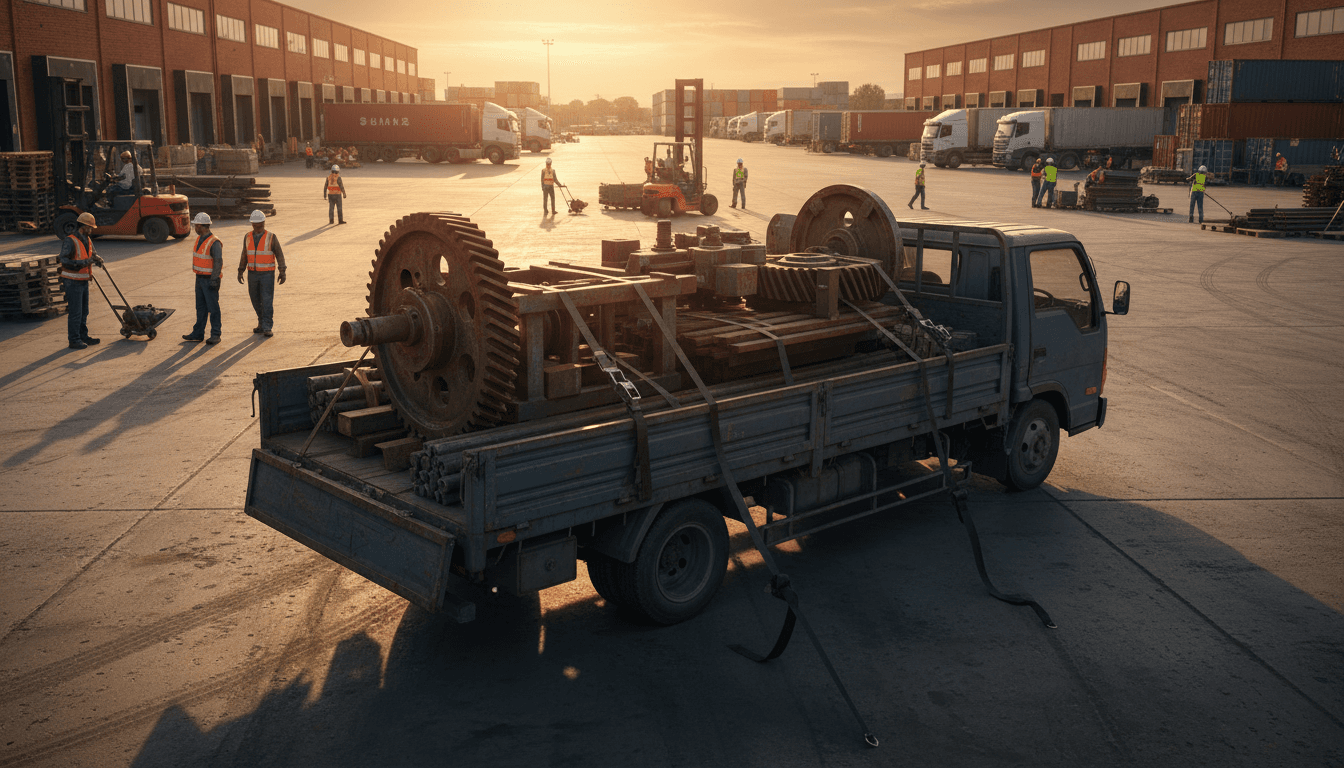
Box Elder County manufacturers shipping pipes, rebar, or structural steel must also account for over-length fees. Carriers often charge a steep premium for any item exceeding eight or twelve feet, as these pieces disrupt the standard cubic capacity of the trailer and prevent the efficient loading of other pallets. The Anders Logistics team recommends a thorough site survey of both the origin and destination before booking. By identifying the need for professional logistics services like liftgates or inside delivery upfront, you avoid the sticker shock of post-delivery adjustments. If you are unsure which charges apply to your specific lane, you should contact our logistics experts to review your shipping profile.
The Clock is Money: Understanding Detention and Demurrage
Time is perhaps the most volatile variable in regional shipping. While accessorials cover specialized equipment, time-based penalties address the efficiency of your facility. Utah shippers often confuse detention and demurrage. Demurrage applies to cargo sitting at a terminal or port beyond the allowed grace period. Detention occurs when a driver is delayed at your loading dock or the receiver’s facility.
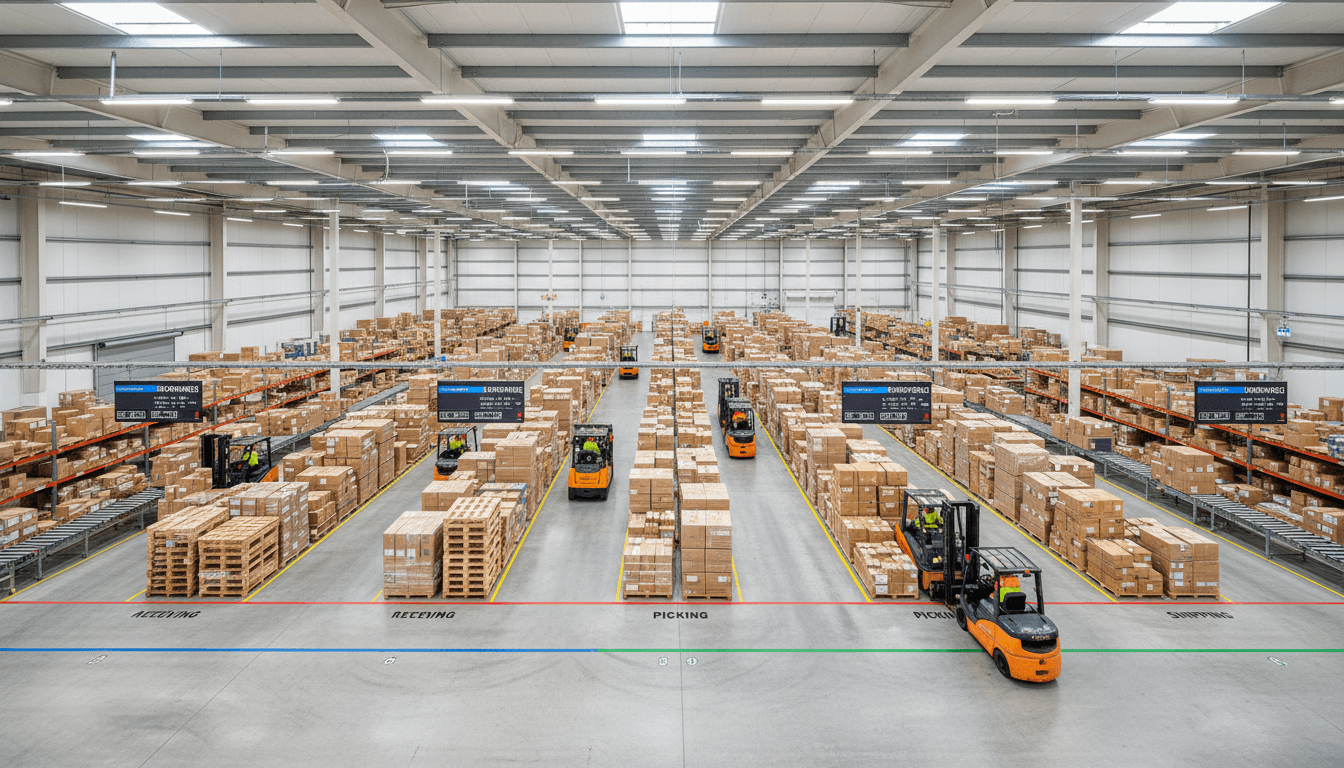
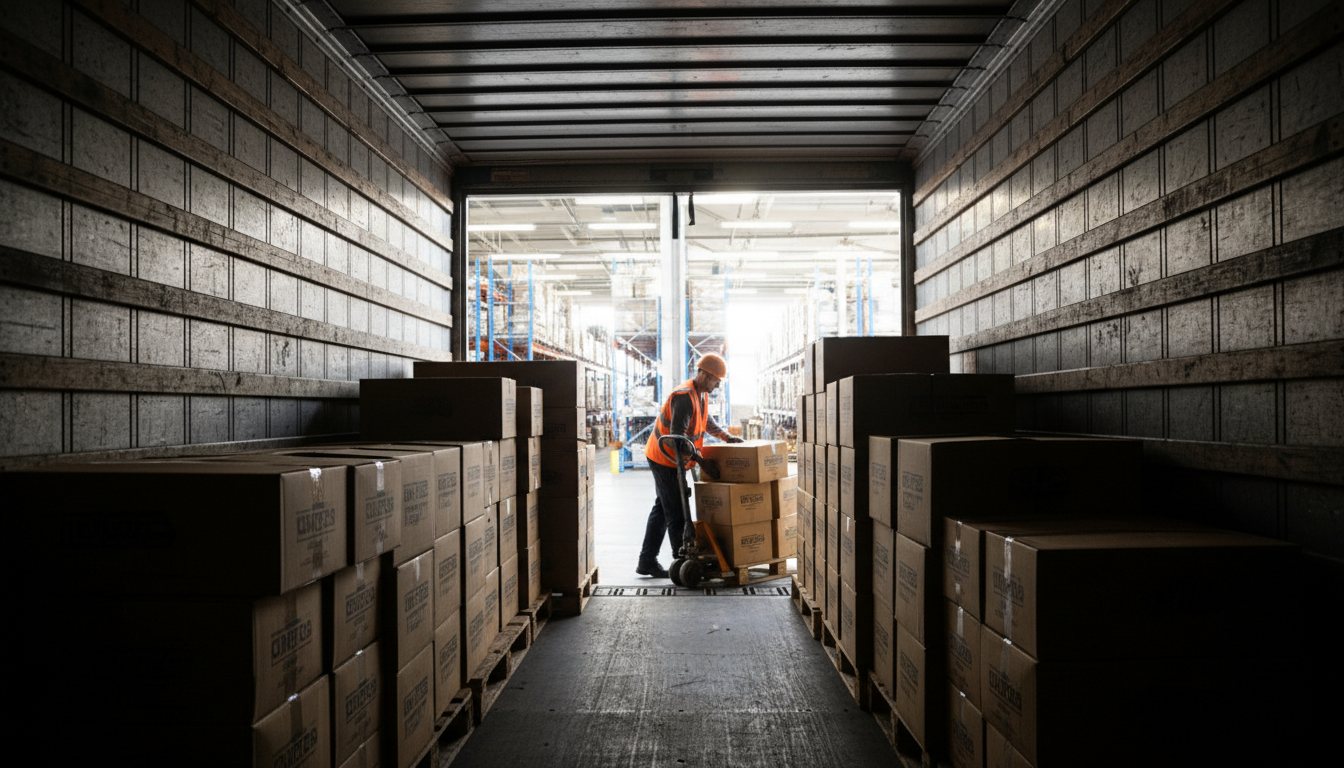
In the LTL (Less-than-Truckload) sector, "free time" is remarkably brief, typically ranging from only 15 to 30 minutes. Full Truckload (FTL) shipments generally allow for two hours. When these windows close, detention fees can climb from $75 to $250 per hour. Poor warehouse organization at distribution centers in Salt Lake City or Box Elder County is a primary driver of these costs. When a driver sits idle due to a blocked dock or unorganized pallets, the carrier bills for the lost opportunity cost.
To mitigate these specific freight fees and paperwork Utah businesses must manage, the Anders Logistics team recommends three specific dock protocols:
Pre-stage all freight near the door at least 30 minutes before the scheduled pickup time.
Ensure the dock area is physically clear of debris, equipment, or unrelated pallets.
Have the signed Bill of Lading and all necessary manifests printed and ready for the driver immediately upon arrival.
Implementing these steps ensures that professional logistics services remain cost-effective by keeping the wheels turning. If your current turnaround times are triggering frequent penalties, you should contact our logistics experts to review your dock flow.
Freight Invoice Auditing: Why You Should Never Pay the First Bill
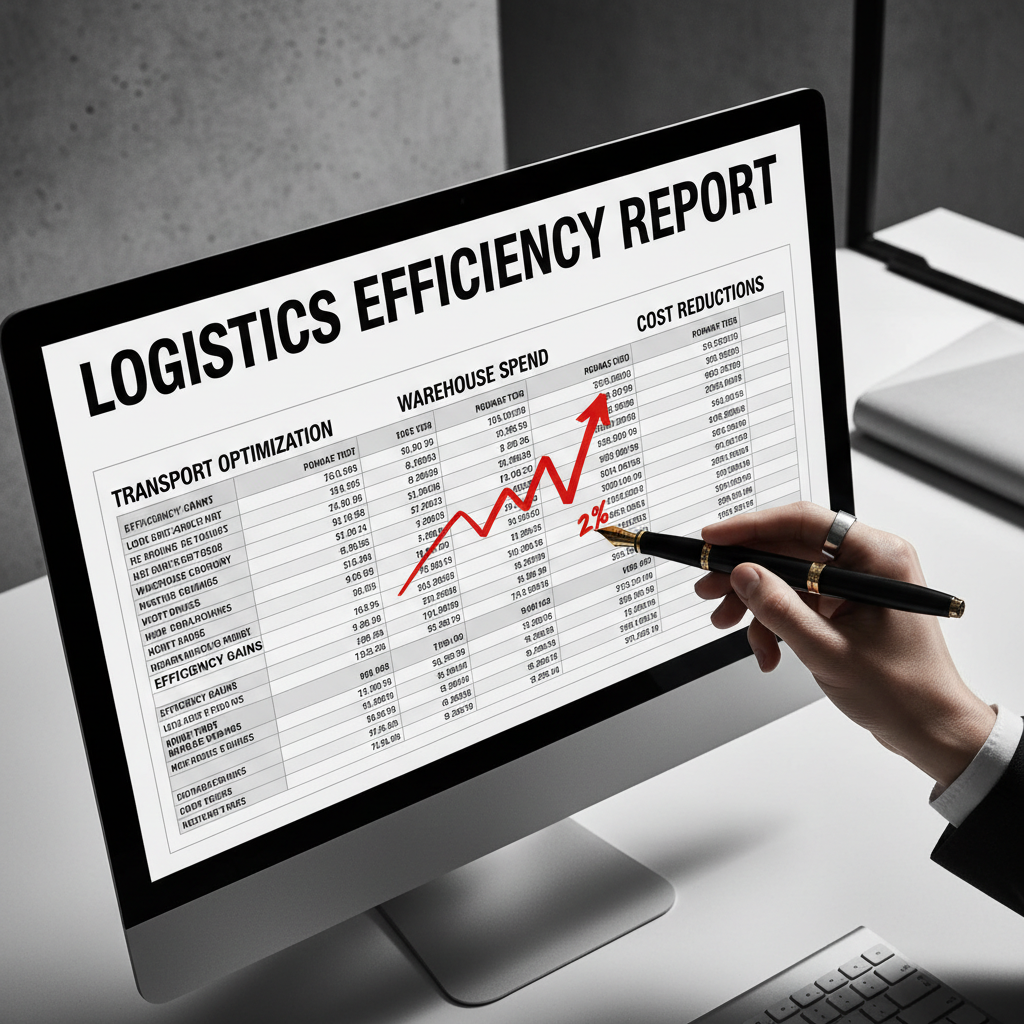
Once the freight is delivered and the clock stops, the final financial hurdle arrives in the form of an invoice. Many businesses treat these as fixed costs, yet blindly paying the first bill is a mistake that contributes to the 3 to 5 percent revenue leakage mentioned earlier. Auditing a freight bill involves a line by line verification of the invoice against the original quote and the signed Bill of Lading. Discrepancies are remarkably common. It is standard to find duplicate invoices for the same PRO number, incorrect base rates that do not match your contract, or misapplied fuel surcharges that fluctuate beyond the agreed index.
A frequent point of failure occurs in the discount section. Carrier billing software often defaults to standard tariffs, failing to apply the specific negotiated rates your business worked hard to secure. By scrutinizing these freight fees and paperwork Utah companies can reclaim significant portions of their budget. Before authorizing payment, your accounting team must confirm that every accessorial charge matches a service actually performed and that the freight class aligns with the signed BOL. If the numbers do not match, the Anders Logistics team recommends filing a formal dispute immediately. Taking control of your freight accounting ensures that professional logistics services remain a value add rather than a drain on resources. To learn how to spot these billing patterns, you should contact our logistics experts for a consultation.
How Local Knowledge Prevents Logistics Friction
Local expertise serves as the final safeguard against the compounding costs of freight fees and paperwork Utah businesses often face. A provider deeply rooted in Northern Utah understands that a delivery to a construction site in Brigham City requires different logistical preparation than a drop-off at a Salt Lake City distribution center. When your dispatcher knows the specific physical constraints of a local retail hub or the security protocols at a regional government facility, they can preemptively coordinate equipment like liftgates or flag over-length items before the truck arrives.
This level of detail prevents redelivery fees, which occur when a driver cannot complete a drop-off due to site restrictions or unannounced requirements. The Anders Logistics team leverages this regional intelligence to ensure professional logistics services remain streamlined. Instead of navigating a generic 1-800 customer service line, you have access to experts who know the exact routes and receivers in your supply chain. Precise documentation is significantly easier to maintain when you can contact our logistics experts directly to resolve discrepancies before they manifest as costly line items on your final invoice.
Managing hidden fees and documentation is a complex task for any Utah business owner. While understanding these costs is the first step toward efficiency, staying on top of every variable requires constant attention. If you want expert help navigating these complexities and optimizing your shipping strategy, we are ready to assist. You can learn more about Anders Logistics and our commitment to simplifying regional supply chains. We strive to turn logistics from a burden into a competitive advantage for your company.