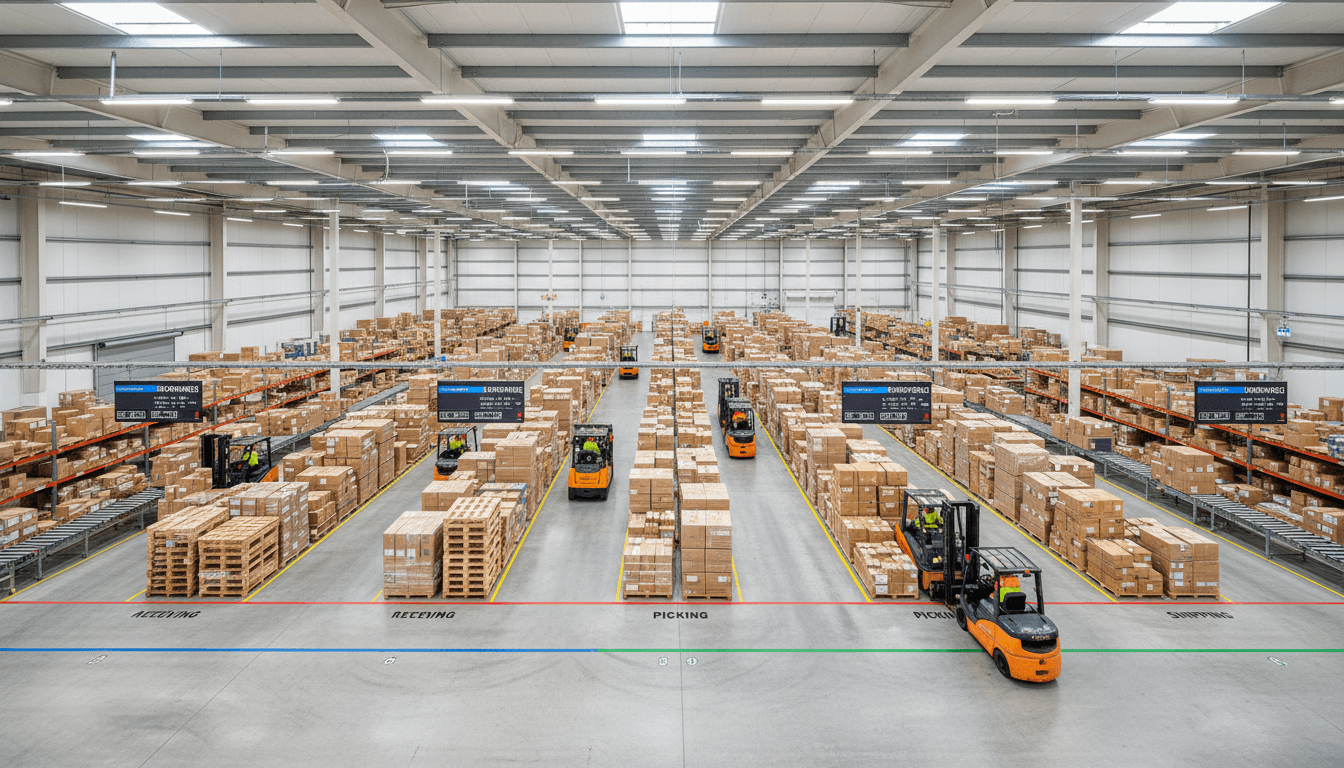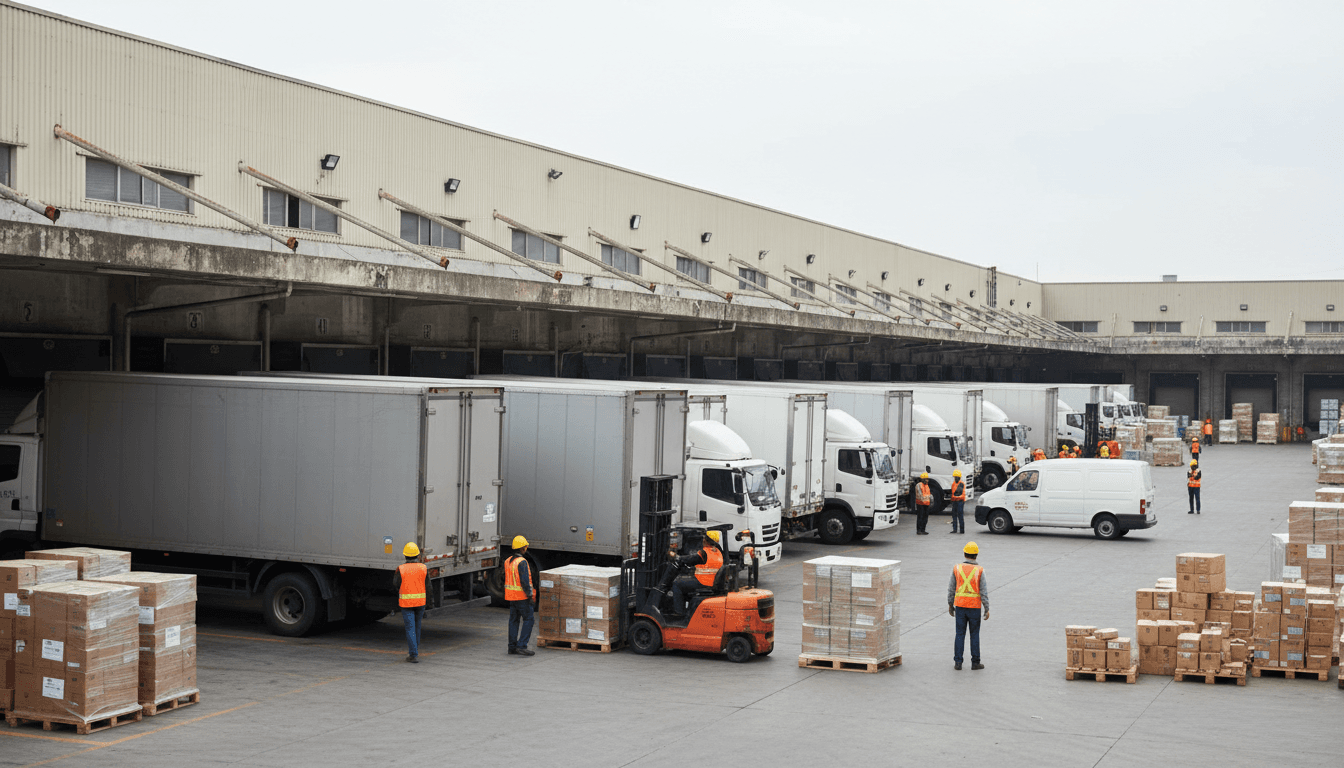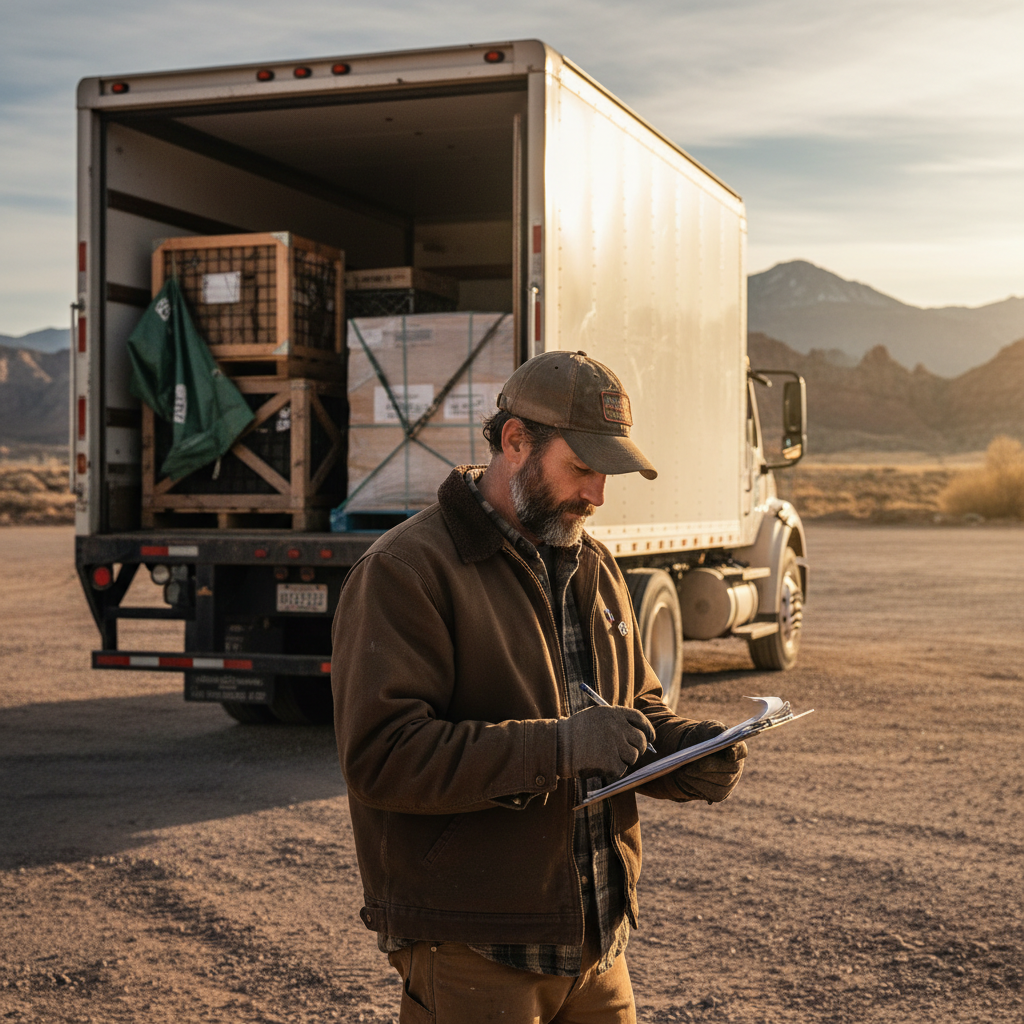
Local knowledge optimizes local freight logistics Utah by allowing providers to navigate regional traffic patterns and regulatory requirements with precision. By utilizing geographic expertise and established community networks, these specialists reduce transportation costs while offering more flexible and reliable delivery schedules. This deep understanding of the area ensures that goods move efficiently through Salt Lake City and other strategic hubs within the state.
In the logistics world, a single missed delivery window can disrupt an entire production cycle and erode your profit margins. Shipping within Utah presents specific obstacles that many national carriers fail to anticipate. Between the steep mountain passes of the Wasatch Front and the sudden winter storms that frequently impact I-15, generic routing strategies often lead to costly delays. Navigating these regional variables requires more than just a GPS; it requires deep, boots on the ground expertise. This guide examines how localized knowledge streamlines freight movement throughout the Intermountain West. You will learn the strategic importance of Utah’s geography, the logistical advantages of Box Elder County, and how regional market dynamics help reduce total shipping costs. We will also explore critical metrics for measuring local efficiency and the value of building resilient supply chains through expert regional partnerships.
The Strategic Role of Local Freight Logistics in Utah

Utah holds a unique position in the American supply chain, often referred to as the Crossroads of the West because of the convergence of major interstate corridors and rail lines. While global logistics focuses on the what, the movement of inventory across oceans and borders, local freight logistics in Utah focuses on the how. It is the precise coordination required to move goods from major regional hubs to their final destination at a job site or warehouse.
When businesses ask, What is local freight trucking? they are looking for more than just a truck and a driver. Local freight trucking refers to the specialized transportation of goods over shorter distances, typically within a specific state or regional area. This requires a different level of agility than long haul shipping. While national brokers often rely on generic data to manage loads, they frequently overlook the specific pacing and operational nuances of the Intermountain West.
A local provider offers professional logistics services rooted in geographic reality. Proximity to the Salt Lake City distribution hub is critical, but so is understanding the expanding industrial footprint in Box Elder County. As manufacturing and construction firms grow outside the immediate metro area, the how becomes increasingly complex. National carriers might see a simple line on a map, but a local expert understands the physical constraints of local loading docks and the specific timing required to keep a Northern Utah supply chain moving without interruption. This regional expertise ensures that freight does not just arrive in the state, but actually reaches the hands of those who need it.
Navigating Utah Terrain and Seasonal Weather Challenges
Operating within the Intermountain West requires more than just a GPS; it demands an intimate understanding of how Utah’s topography and climate dictate the movement of goods. While a national dispatcher might see a clear path on a digital map, a specialist in local freight logistics Utah knows that a winter storm moving across the Great Salt Lake can drop several inches of lake-effect snow on specific stretches of I-15 in Davis County while Salt Lake City remains dry. This micro-climate volatility can stall a supply chain if the coordinator is not monitoring local radar and adjusting dispatch times in real-time.
Terrain challenges like the Parleys Canyon grade on I-80 present significant hurdles for heavy freight. With grades reaching 6 percent, managing heavy loads requires specific equipment considerations and driver experience to prevent brake overheating or traction loss during the winter months. We prioritize routing that accounts for these physical limitations, ensuring that construction materials or industrial machinery arrive without incident. Beyond the mountains, the I-15 corridor through Ogden and Salt Lake City is notorious for commuter-driven congestion. Local expertise allows us to time shipments around peak traffic hours, often utilizing secondary routes like Highway 89 or the Legacy Parkway when the main artery is blocked by accidents or construction.
Challenge Type | Local Impact | Strategic Mitigation |
|---|---|---|
Seasonal Weather | Sudden lake-effect snow and black ice on the Wasatch Front. | Real-time weather monitoring and proactive rescheduling. |
Topography | Steep grades in Parleys Canyon and Sardine Canyon. | Specific load balancing and equipment selection. |
Traffic Density | I-15 commuter peaks between Provo and Brigham City. | Off-peak scheduling and use of regional back routes. |
By leveraging this granular knowledge, we provide professional logistics services that anticipate delays before they occur. This proactive approach is especially vital for businesses in Box Elder County, where the transition from rural roads to major interstates requires precise timing. Knowing when to bypass the Point of the Mountain or how to navigate the industrial sectors of Ogden during a snow event is what keeps a local supply chain resilient against the unpredictable elements of the Utah landscape.
What is Freight Efficiency and How is it Measured Locally?
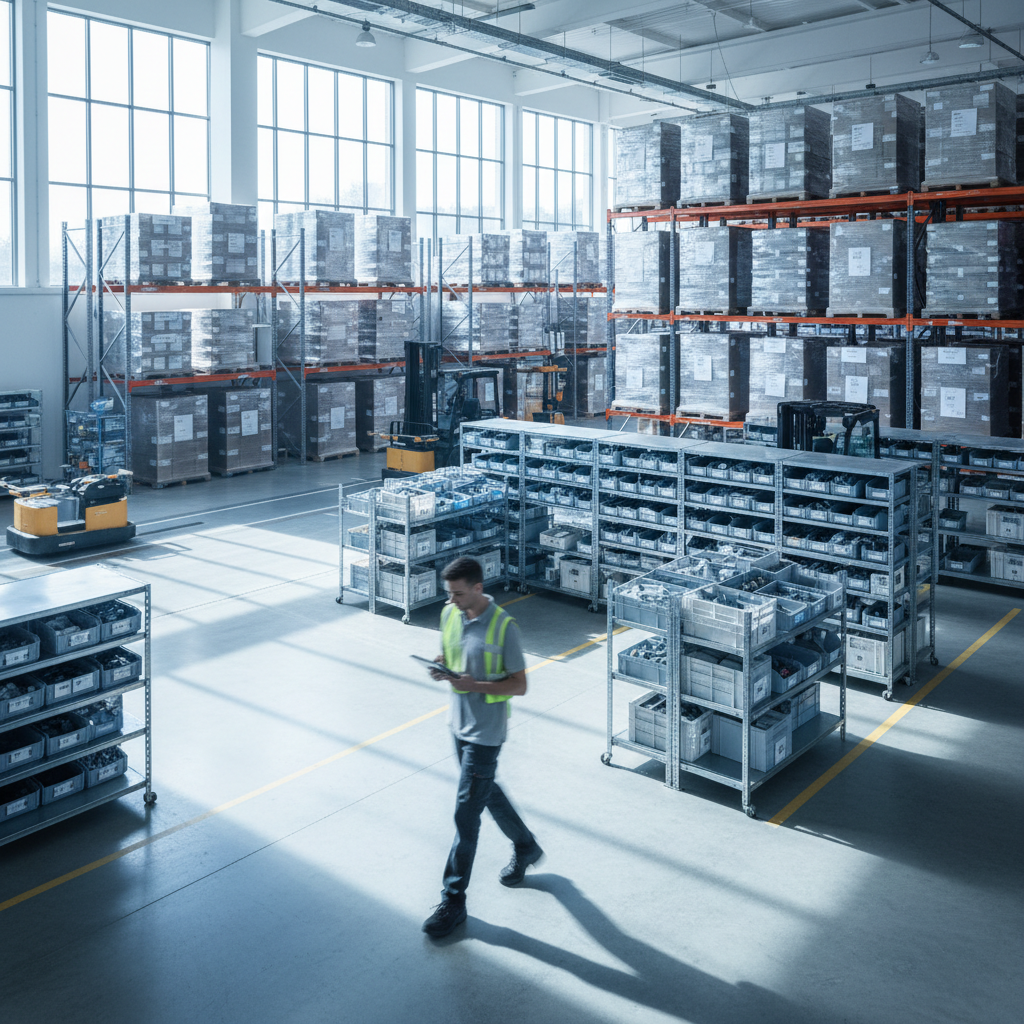
Achieving freight efficiency requires looking beyond simple fuel consumption metrics. While many define it as the ratio of transportation output to resource input, businesses asking "What is freight efficiency?" often need a more practical answer. In the context of local freight logistics Utah, it is the elimination of wasted movements and idle hours. Traditional methods to calculate freight efficiency often focus on ton-miles per gallon; however, a local partner evaluates success by the reduction of deadhead miles and dwell times at regional hubs.
Deadhead miles, the distance a truck travels without a load, are a primary drain on profitability. We mitigate this by utilizing deep connections within the Salt Lake City and Box Elder County industrial sectors to synchronize pickups and deliveries. Furthermore, dwell time, or the duration a vehicle sits idle at a warehouse, is often caused by a lack of familiarity with site-specific protocols. Knowing that a specific industrial park in Salt Lake City requires a secondary check-in gate or that a manufacturing facility in Box Elder County has a preferred staging area for flatbeds prevents the 45-minute delays that national carriers often face. These small, professional logistics services nuances ensure that every hour on the road translates directly into progress for your supply chain.
The Box Elder County Advantage: Proximity and Professionalism
Box Elder County represents a critical industrial artery for Northern Utah, serving as a hub for large-scale manufacturing and heavy construction projects. For businesses operating out of Brigham City, Tremonton, or the surrounding areas, the proximity of a logistics partner is a tangible operational advantage. National carriers often struggle with the last mile of industrial coordination because their nearest available asset might be three hours away in a different state. In contrast, local freight logistics Utah providers operate within the same zip codes as the loading docks they serve.
This physical proximity translates into same-day or next-day flexibility that national brokers cannot match. When a construction site in Willard needs a specific load of materials to keep a crew working, or a manufacturer in Perry has a last-minute production surge, a local coordinator can pivot resources immediately. We provide professional logistics services that rely on being boots on the ground. This means we understand the specific gate hours of local plants and the weight restrictions on secondary county roads. This level of about Anders Logistics expertise ensures that freight movements are not just scheduled, but executed with the precision that only a neighbor can provide.
Reducing Costs Through Regional Market Dynamics
Maximizing cost-effectiveness in a regional supply chain requires a deep understanding of how local market dynamics influence daily rates. While national carriers often apply broad regional surcharges, a coordinator specializing in local freight logistics Utah manages expenses by identifying specific backhaul opportunities that others overlook. For instance, when a shipment of construction materials is delivered to a site in Box Elder County, we leverage our network to find return loads of manufactured goods or agricultural products heading back toward the Salt Lake City hub. This practice effectively splits the transportation cost across two clients, reducing the empty-mileage expense that typically inflates freight budgets.
Fluctuating fuel costs are another variable where local expertise proves its value. Fuel prices in the Intermountain West can be volatile, but optimized routing mitigates the impact of these spikes. By avoiding the heavy idling times associated with I-15 congestion during peak hours and choosing routes that minimize unnecessary elevation changes, we maintain higher fuel efficiency per trip. This granular level of planning ensures that professional logistics services remain predictable even when energy markets are not.
Furthermore, navigating the regulatory landscape of the Utah Department of Transportation (UDOT) is a critical component of cost control. Local providers are intimately familiar with the specific requirements at Utah ports of entry and weigh stations, such as the facility near Perry. We ensure all equipment and paperwork meet state-specific standards before the wheels turn. This proactive compliance prevents the costly fines and multi-hour delays at inspection points that often plague out-of-state drivers who are unfamiliar with UDOT’s specific bridge laws or axle weight distributions. Keeping freight moving through these checkpoints without interruption is a primary way we protect our clients' bottom lines.
Building Reliable Supply Chains with Local Partnerships

The influx of businesses relocating to Utah is driven by the state’s favorable tax climate, a growing workforce, and its strategic position within the Intermountain West. However, new arrivals in the construction and manufacturing sectors quickly realize that a successful operation requires more than just a physical presence; it requires a network of local partners who understand the specific nuances of the region. Establishing a reliable supply chain depends on local freight logistics Utah providers who act as an extension of your own operations team.
Unlike national brokers who route inquiries through high-volume call centers, a local partner offers direct lines of communication. In an industry where a two-hour delay on a job site can cost thousands of dollars in idling labor and equipment rentals, waiting on hold for a dispatcher in a different time zone is not a viable strategy. When a foreman at a site in Box Elder County needs to know exactly when a flatbed will arrive, they need an immediate answer from someone who is personally accountable for that load. This level of responsiveness ensures that specialized crews and expensive machinery, such as cranes or pavers, are never left waiting while overhead costs continue to mount.
Operational Factor | National Call Center | Local Partner Accountability |
|---|---|---|
Response Time | 30 to 60 minutes for status updates. | Instant, direct communication. |
Problem Solving | Generic protocol based on broad data. | Real-time adjustments based on local road knowledge. |
Risk Mitigation | Limited to standard insurance claims. | Proactive prevention of site delays and idle labor costs. |
Building a partnership with a provider who knows the local landscape means your freight is managed by people who are familiar with the specific docking requirements and site foremen in the area. This regional trust is a major asset that allows for the flexibility needed in high-stakes environments. If you are scaling operations in Northern Utah, you can contact our team to see how professional logistics services tailored to the region provide the reliability required for long-term growth. This commitment to transparency and localized execution is a central tenet of the about Anders Logistics approach to business.
Navigating the unique logistics landscape of Utah requires a deep understanding of local routes, weather patterns, and regional regulations. By leveraging this specific expertise, businesses can significantly reduce delays and optimize their supply chains. If you find yourself needing a partner who understands these local nuances intimately, we invite you to learn more about our team and how we support regional growth. Managing freight efficiently is simpler when you have experts who know the terrain guiding your strategy every step of the way.